A VisuAIse Futures Signal Report · Centrical The Big Game 2026
“It’s 2030. Write a new job title for someone on your frontline team. What would you love them to spend their days doing?”
The frontline of 2030 is today’s job at its best. You drew more time with customers, relationships that last, and the power to fix things on the spot.
You imagined agents who know the whole story, stay with customers and solve problems without waiting for permission. Making that day possible means changing what agents can decide, how they learn and what you reward.
First, clear the way: 40 of the 53 ideas name something to take off the plate, from trackers and ticket logs to waiting for permission.
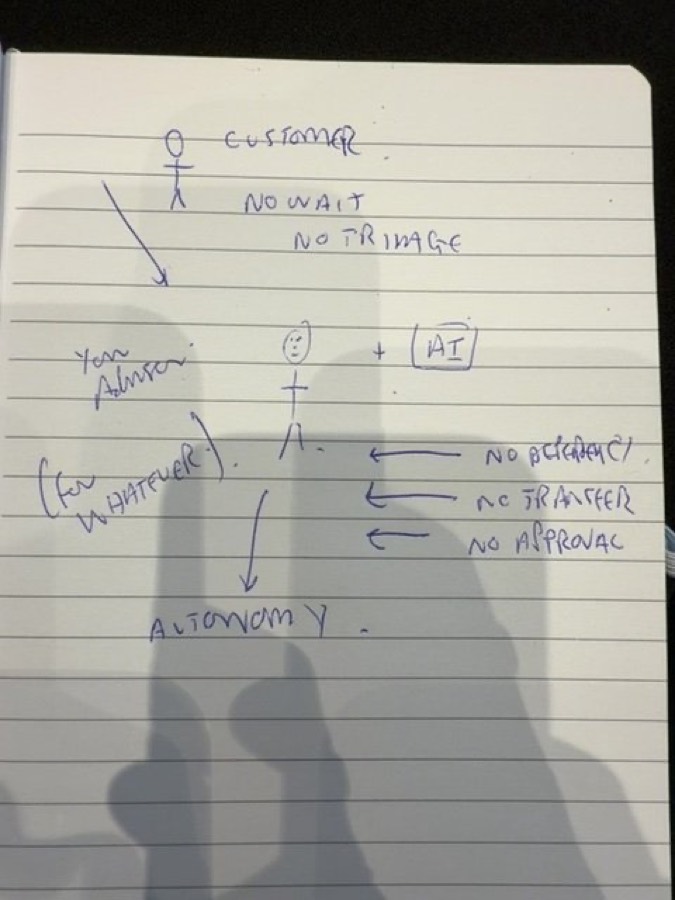
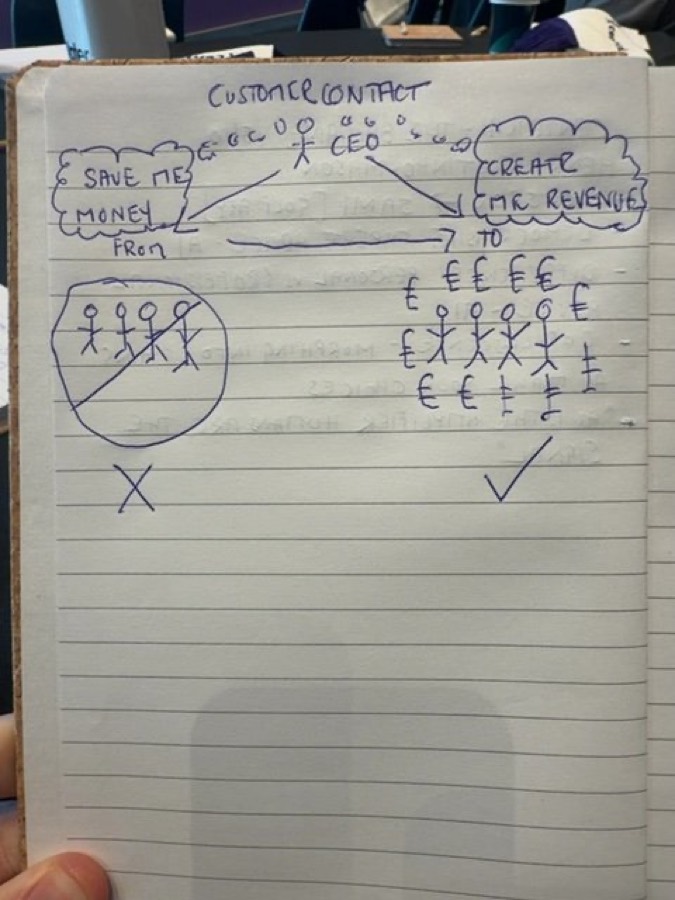
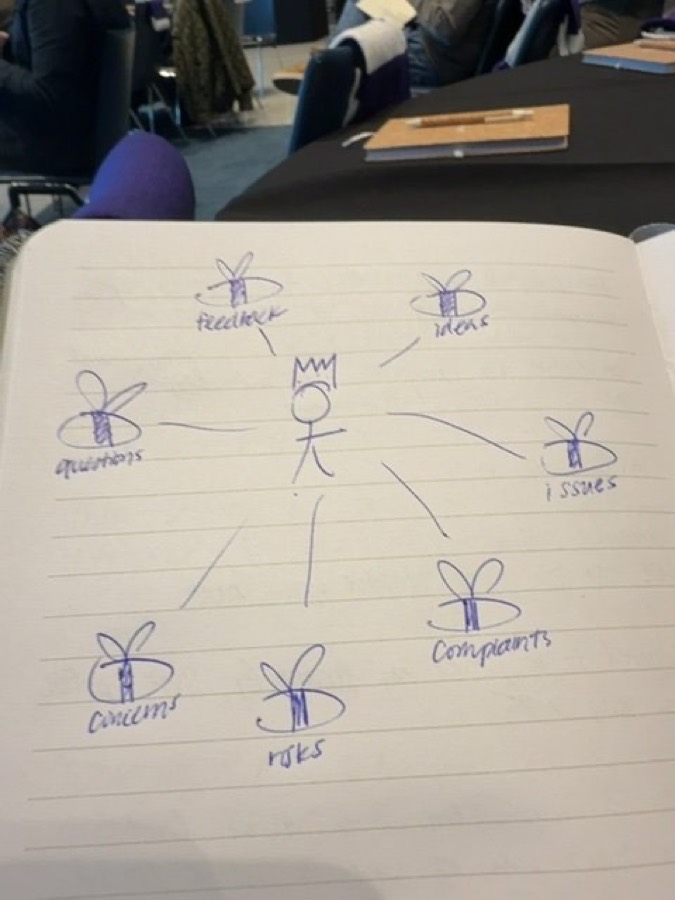
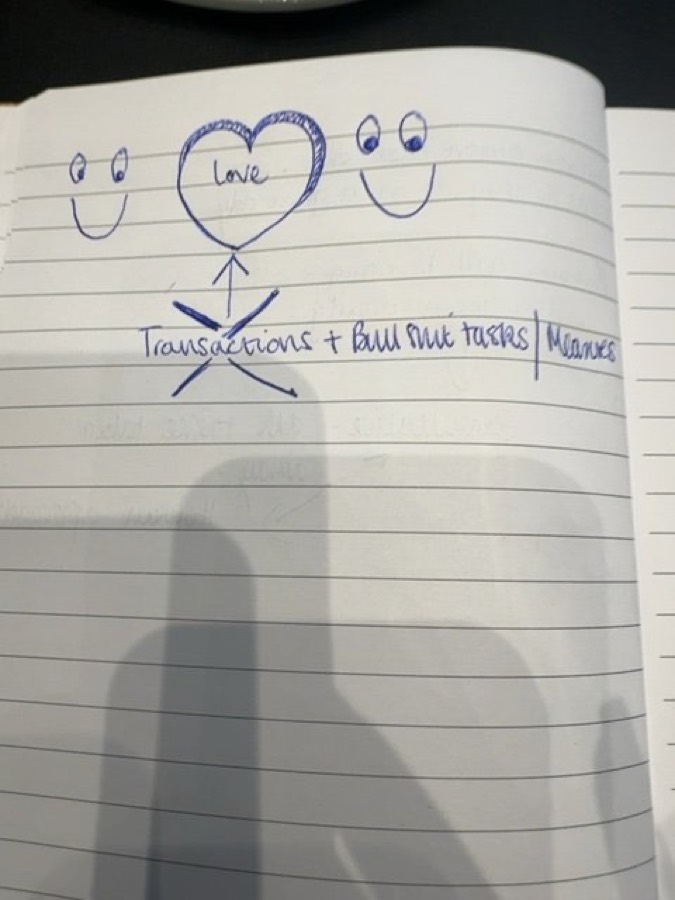
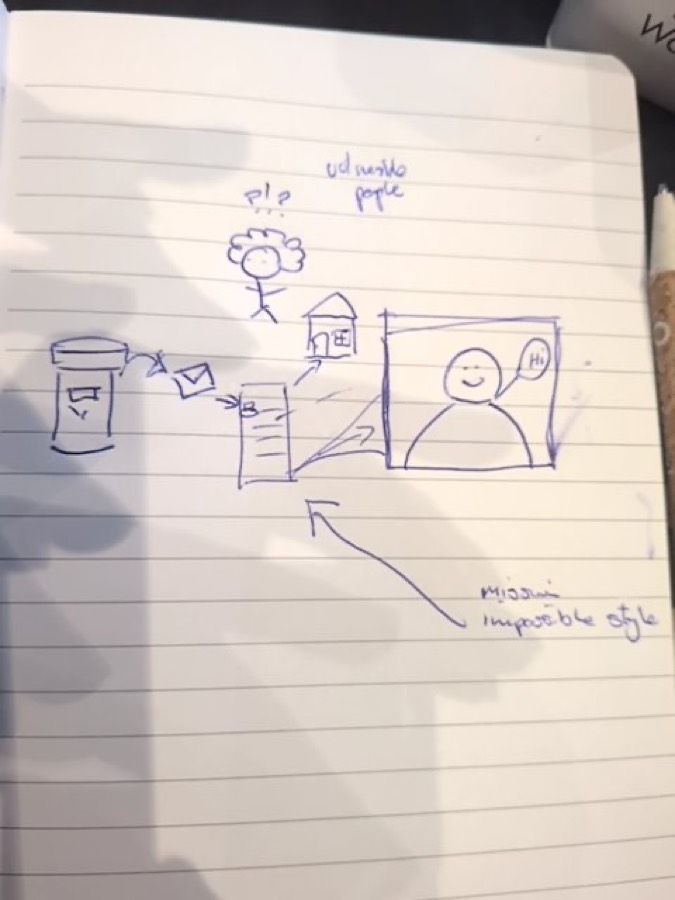
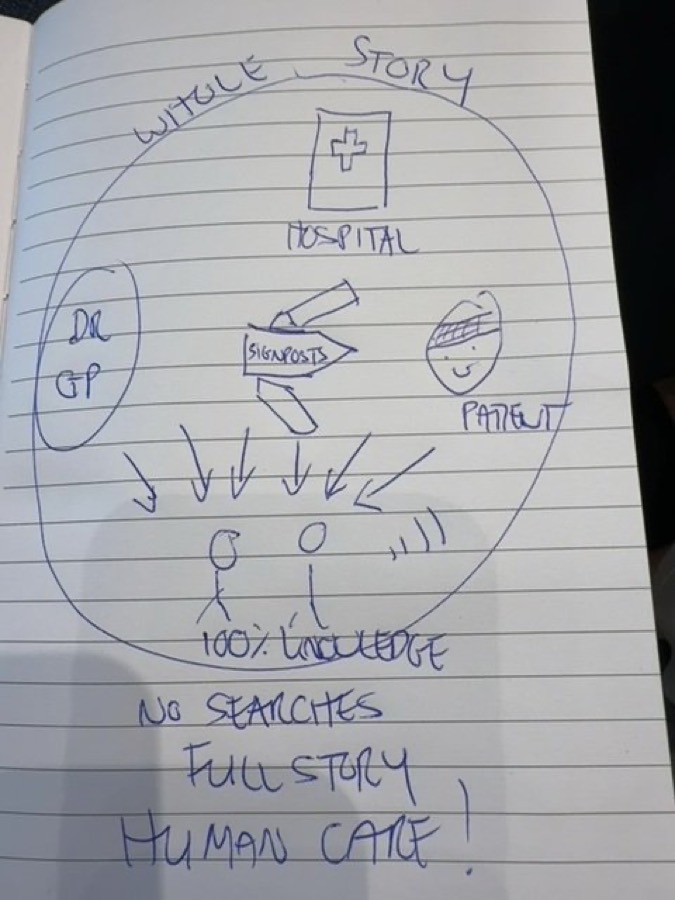
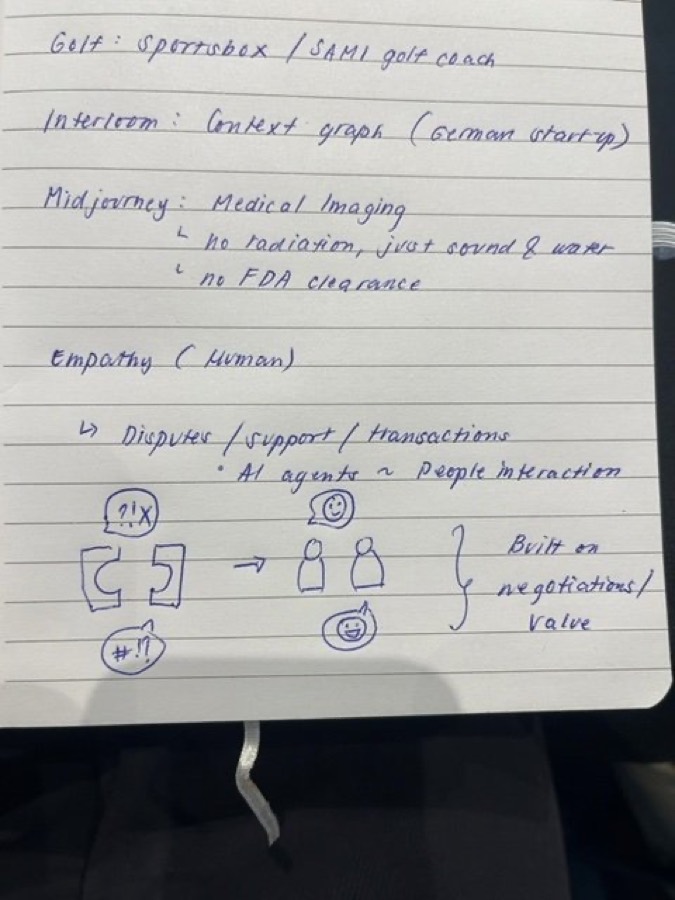
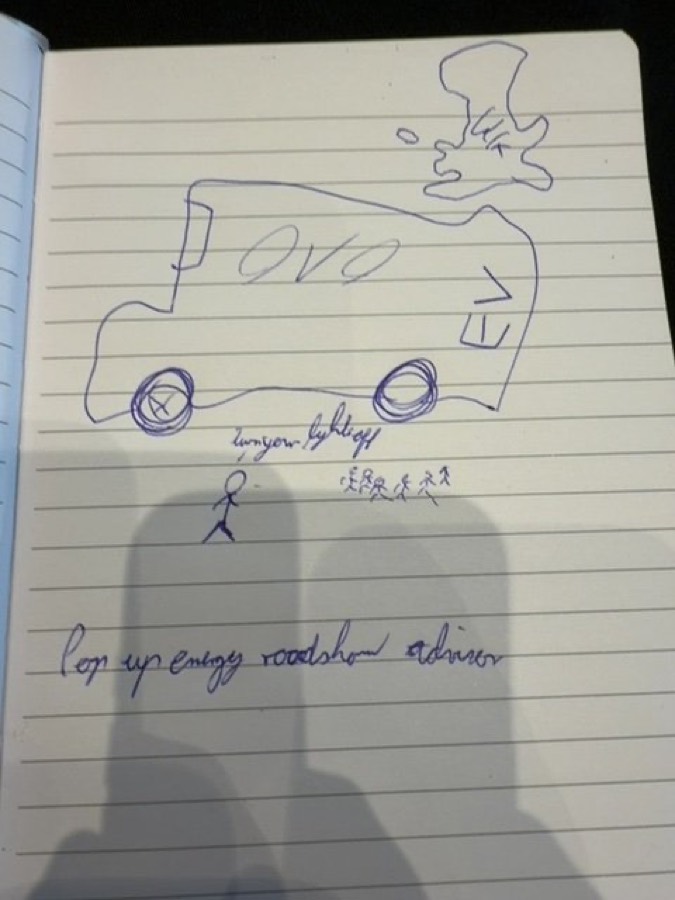
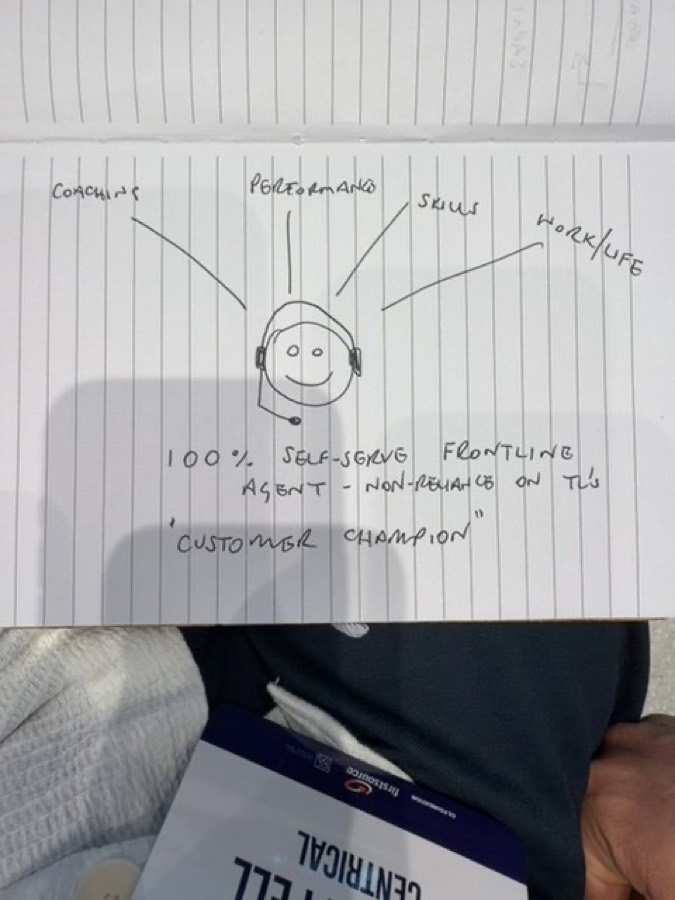
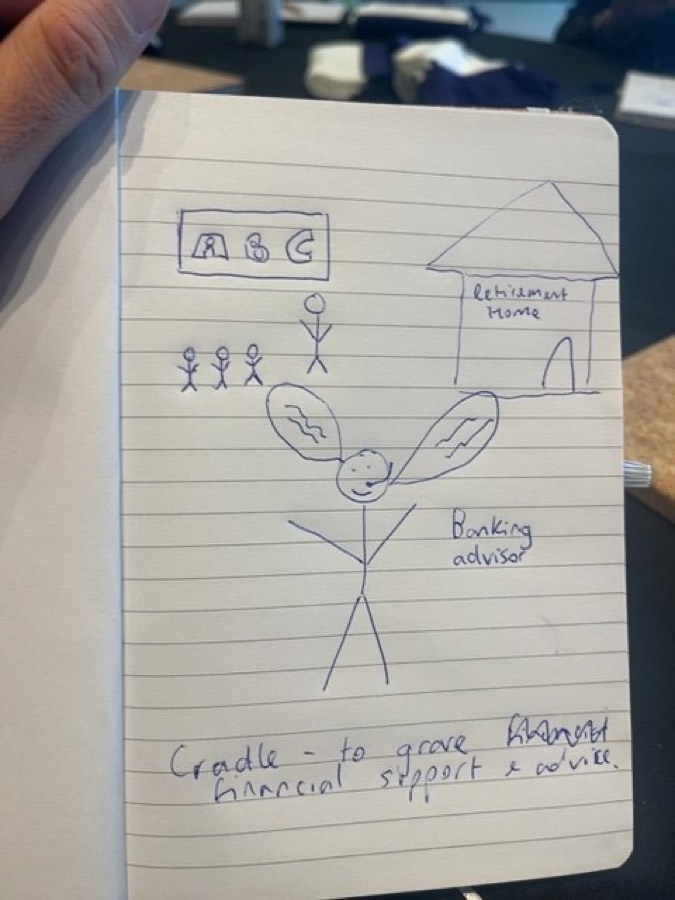
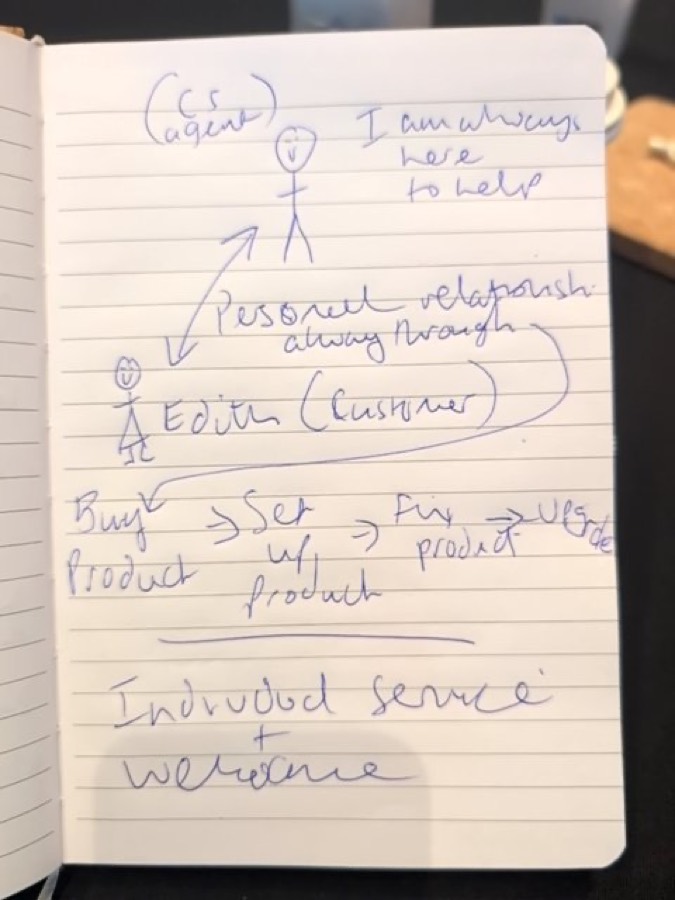
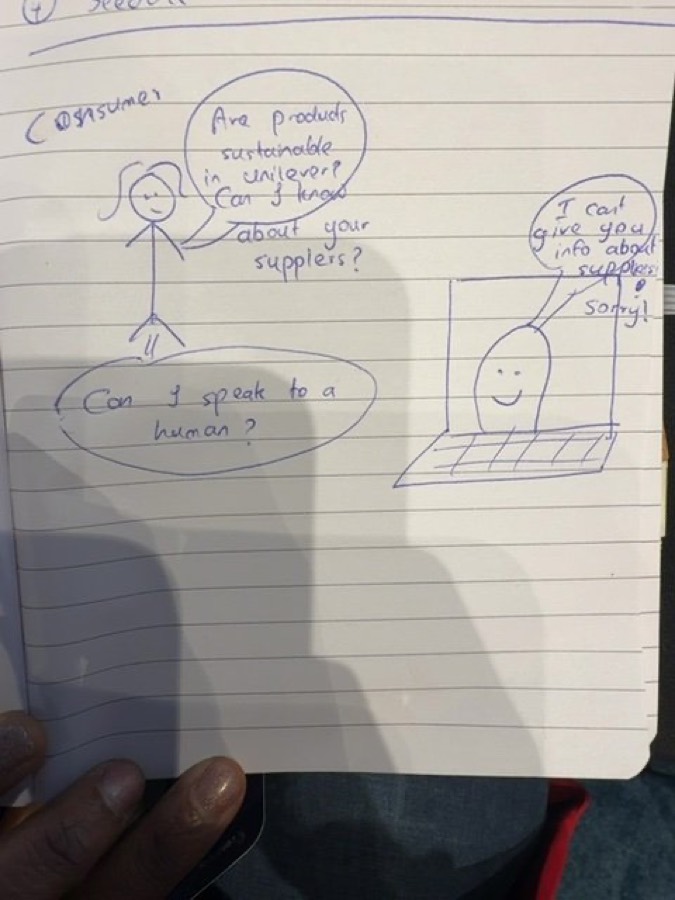
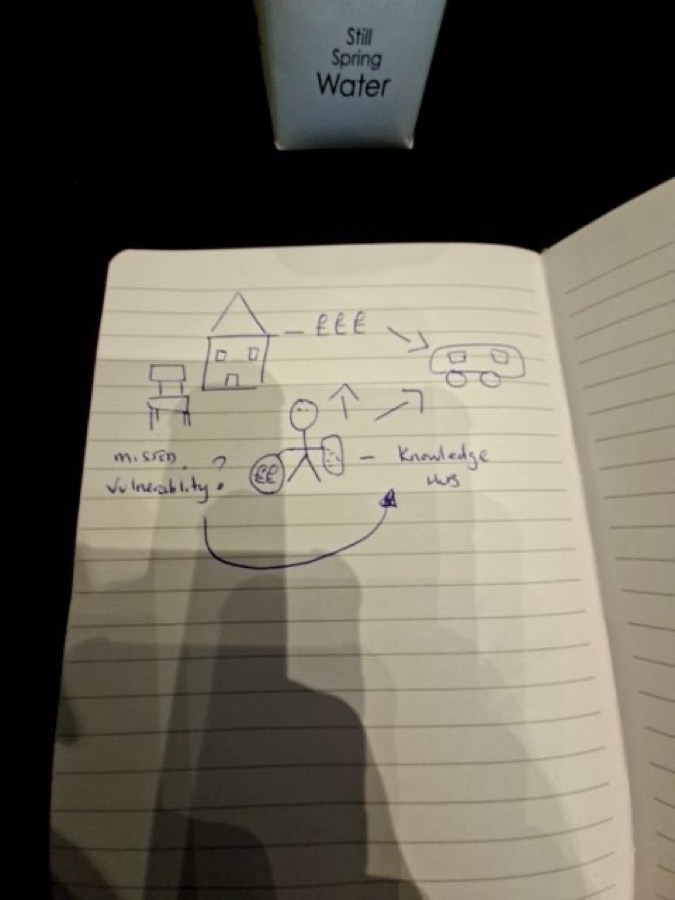
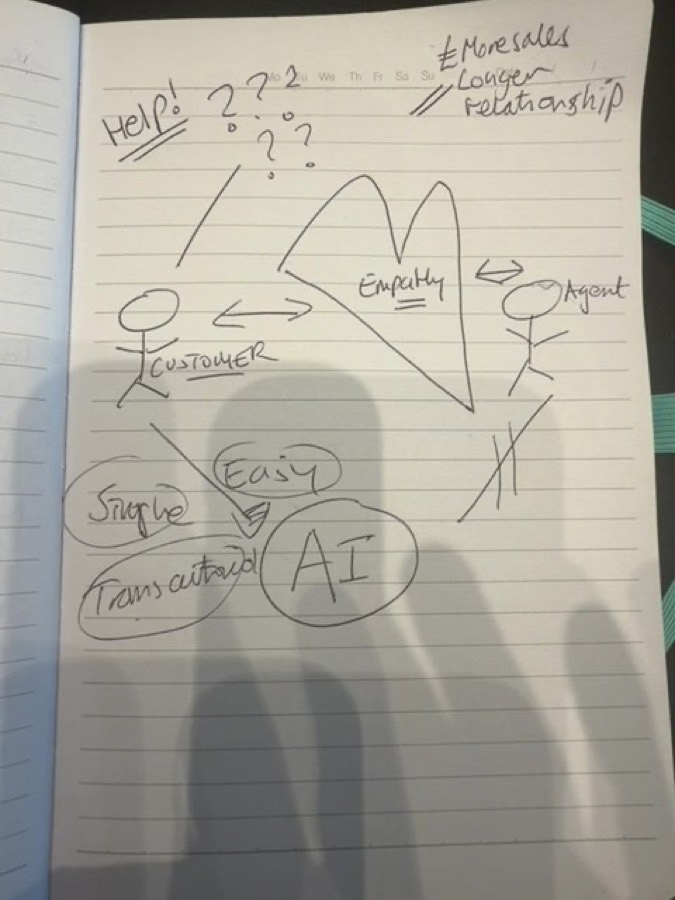
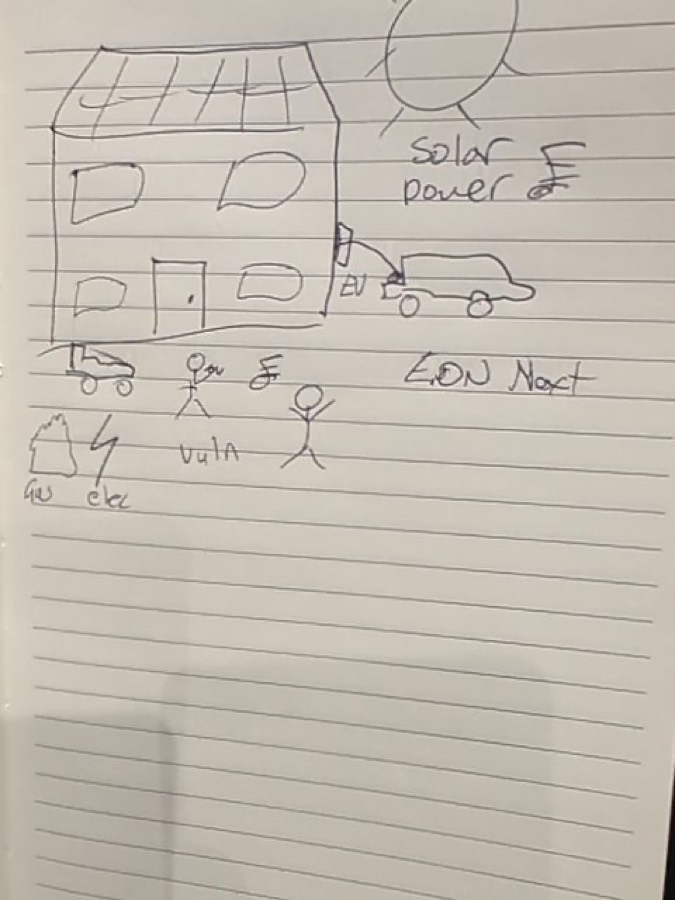
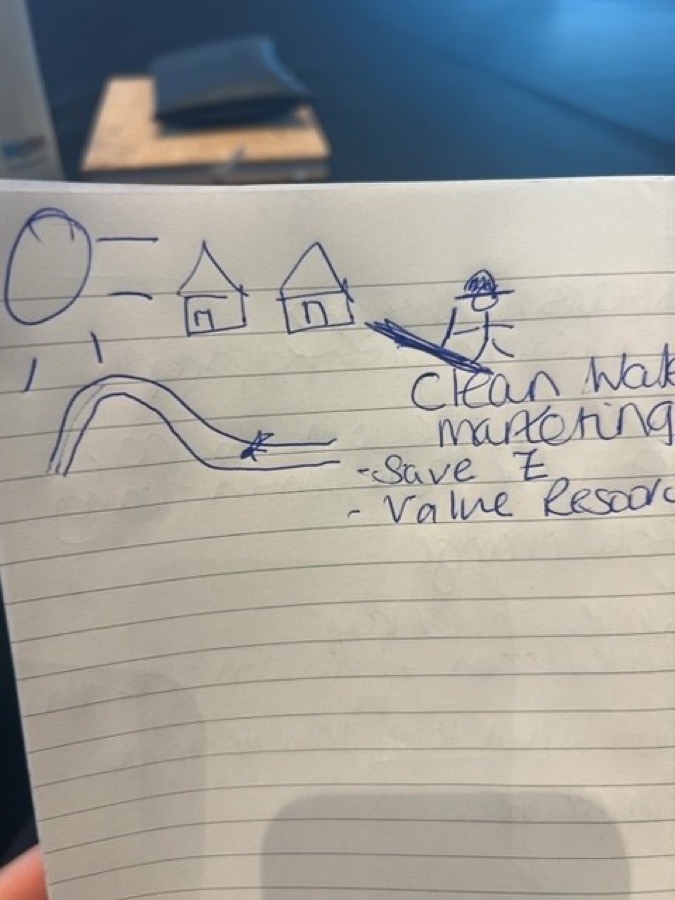
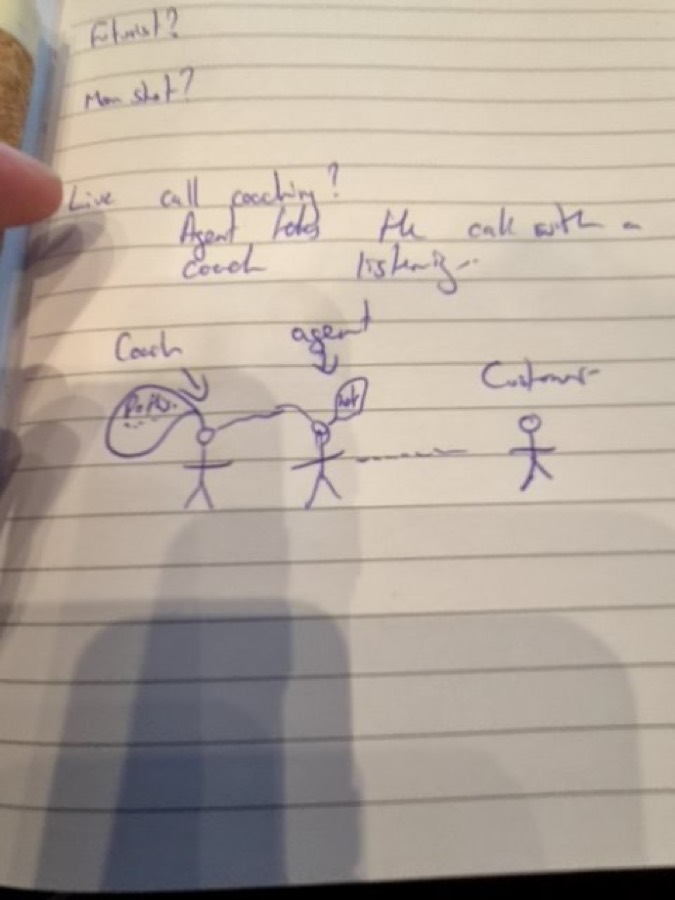
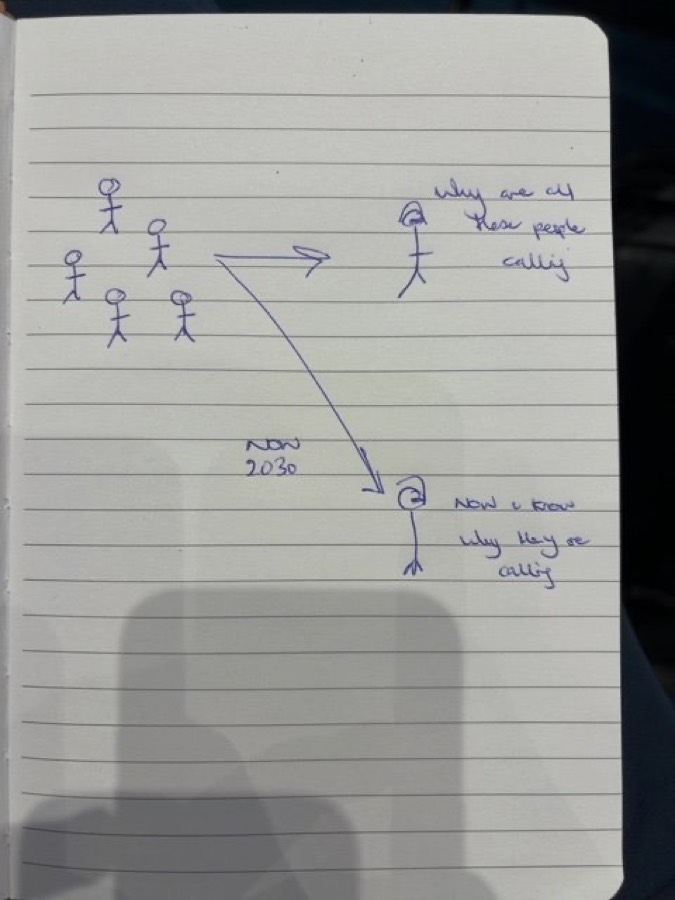
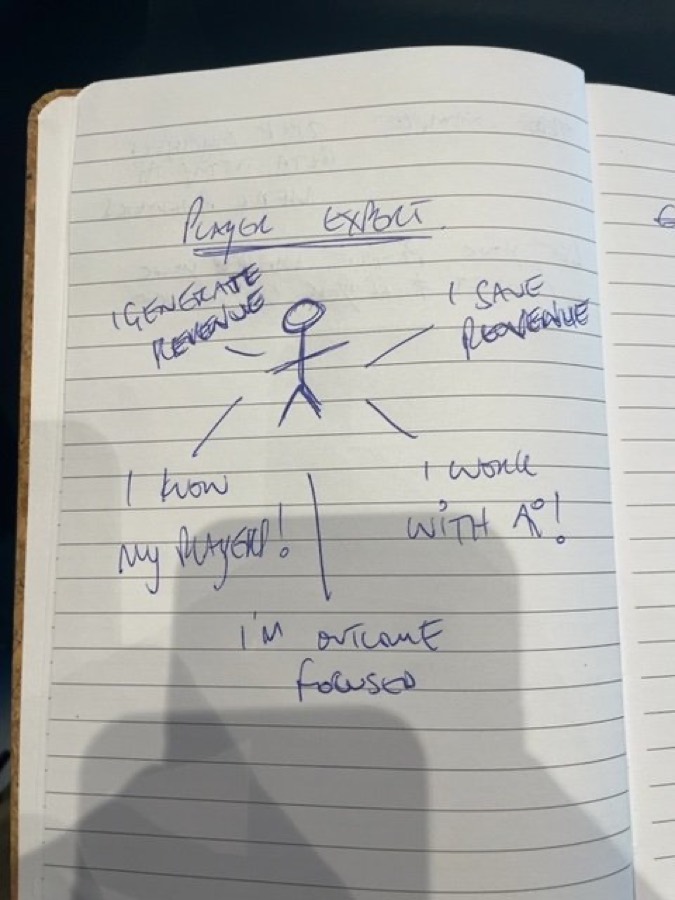
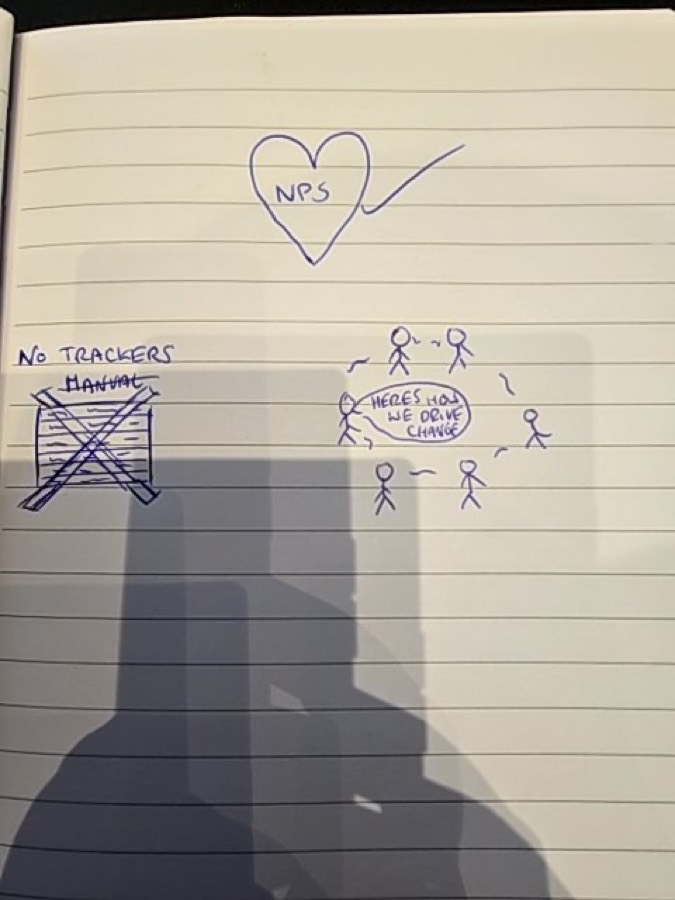
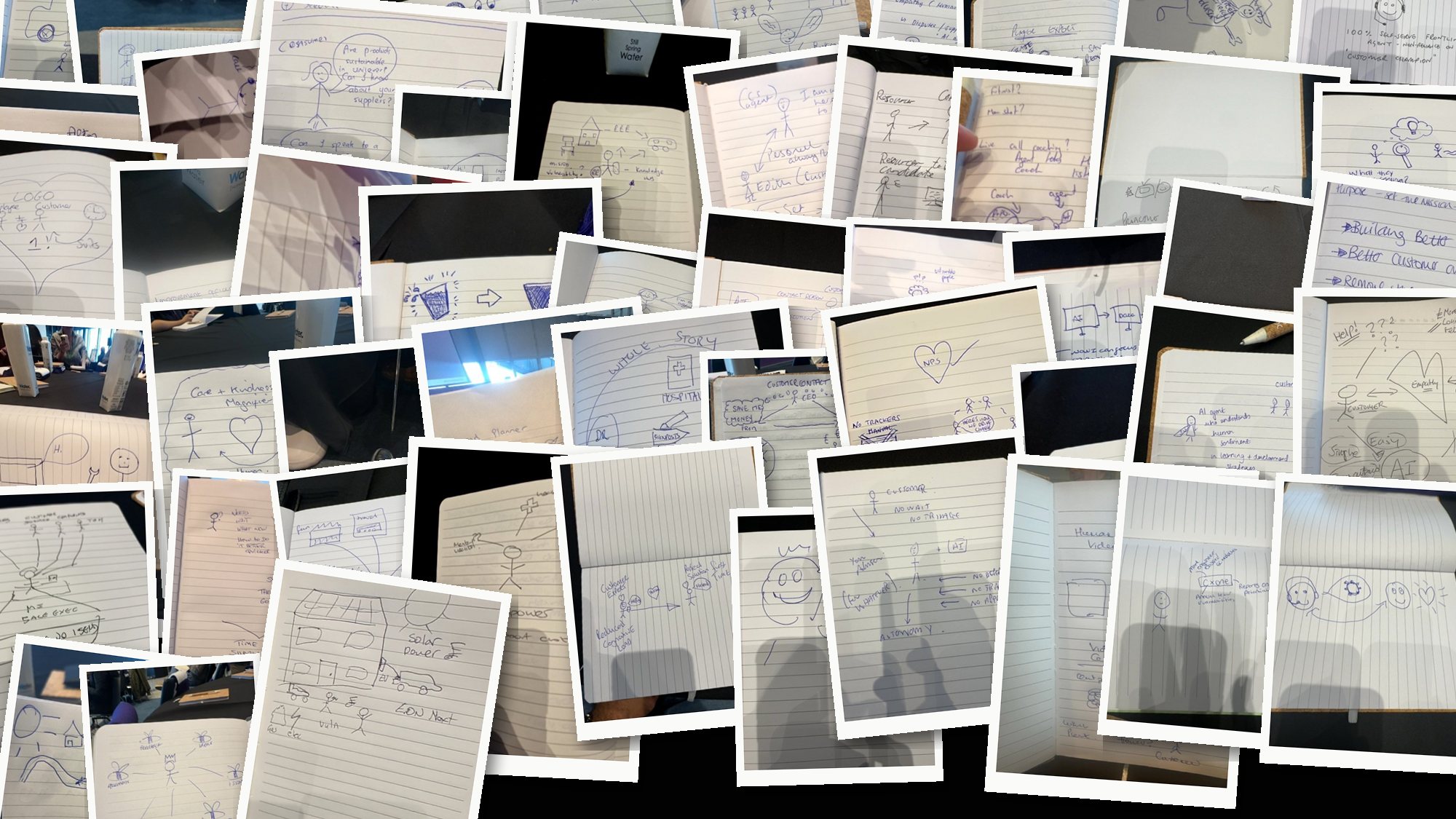
Real sketches from the room. Tap one to open it in the portal.
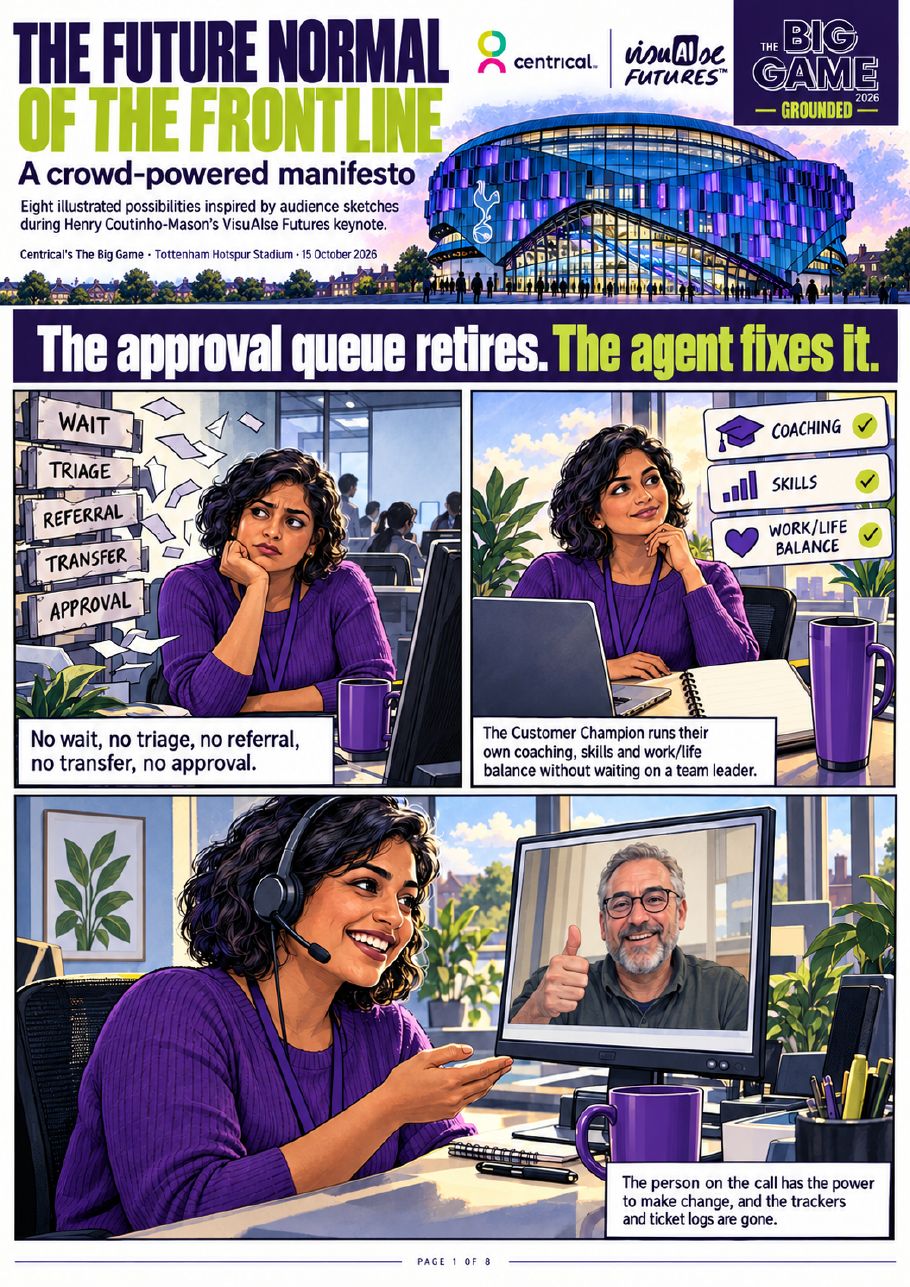
The Future Normal of the Frontline, the crowd-powered manifesto from this room.
No wait, no triage, no referral, no transfer, no approval. The Customer Champion runs their own coaching, skills and work/life balance without waiting on a team leader. The person on the call has the power to make change, and the trackers and ticket logs are gone.
Hospital, GP and patient records come together, leaving the agent to “just care and talk”. Ticket logging and information gathering happen in the background. You spend the conversation moving forward, instead of reconstructing what happened.
Edith keeps the same agent through buying, setting up, fixing and upgrading: “I am always here to help.” A banking adviser supports you through life’s changing circumstances. Every conversation builds on the last. You don’t have to start the relationship again whenever something changes.
“Maximising contact not eradicating it.” One sketch changes the CEO’s demand from saving money to creating revenue. The ambition is to make a conversation worth having: resolving something difficult, building trust and giving a customer a reason to stay.
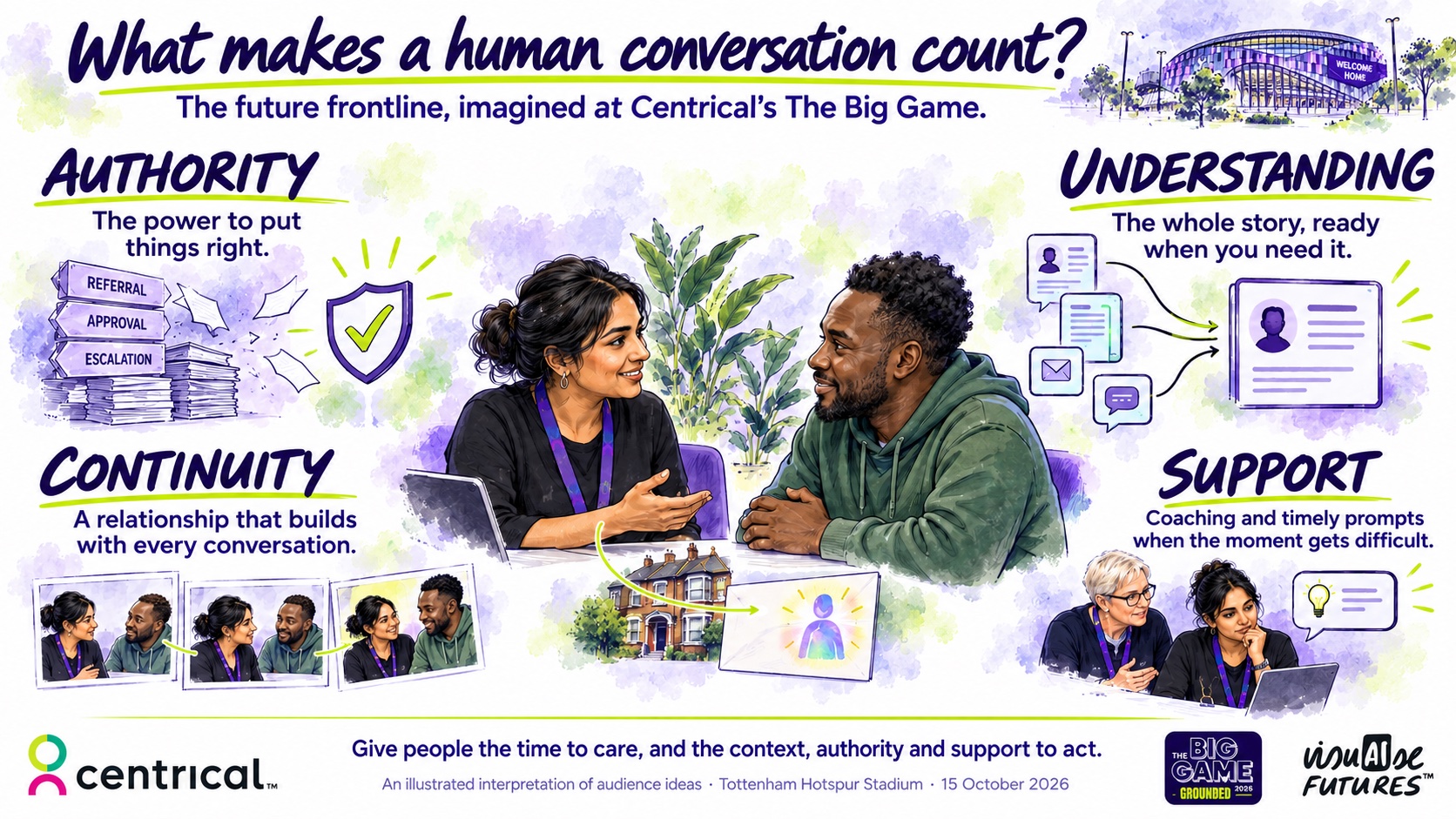
Relationships were the most common theme. Clearing the way to fix things comes second, and taking the job out into the world is close behind.
Percentages are shares of the 53 analysed ideas. Many ideas span more than one theme, so the total is more than 100%. Each bar runs from 0% to 50%. These are shares of ideas, not votes or shares of attendees.
Unusual sketches, each opening a bigger question. These are the manifesto’s four provocations.
“A coach live listening and helping an inexperienced agent with a customer issue.” On the sketch the job title still carries a question mark: “Live call coaching?”. If AI takes the straightforward contacts, beginners lose the calls they used to learn on. Where will your new starters practise in 2030?
A debt collector at the door, a tablet linked to a “knowledge hub”, and a loop labelled “missed vulnerability?”. Another sketch sends an E.ON engineer to a household in debt “to help” and to see who lives there. Both turn a collection visit into a support visit. What would your field teams need to know before they knock?
The sketch splits the work in two. At the top: “Empathy (Human)”. Below it, AI agents handle the “disputes / support / transactions”, one for the business and one for the customer. When they clash (angry speech bubbles on both sides), they hand over to two smiling people who settle it, “built on negotiations / value”. The bots do the transactional back-and-forth; people step in where agreement takes empathy. When your customers send their own AI agents, who on your team settles the argument?
“Send technology through the post, mission impossible style (but doesn’t blow up afterwards).” It’s for customers who are “not online or tech savvy”. Another sketch asks for support for “any customer anywhere regardless of the customers’ access to tech”. Which of your channels assumes the customer is already online?
Some sketches put people closer to customers. Others put them in charge of improving AI. Imagine connecting the two: when an agent resolves something the bot couldn’t, that experience improves the next interaction. What happens to that knowledge in your operation today?
You drew advisers who stay with customers, take time to understand their circumstances and prevent the next problem. One sketch crossed out “measures”. Which of these people would look successful on your current scorecard? Which might be penalised for doing exactly what you want?
One sketch removes dependence on team leaders. Another puts a coach alongside a new starter on a difficult call. Together they suggest a different management job: less time authorising decisions, more time building the judgement to make them. What would you stop asking team leaders to approve so they could spend more time helping people improve?
The prompt asked for one person on your frontline at their best. Three perspectives to bring into the next conversation.
Draw a team leader’s day alongside the frontline roles you imagined. When do they coach, notice someone struggling or help the team learn from a difficult case? What needs to leave their diary to make that day possible?
New starters appear once, in the live coaching sketch. The room drew experienced people at their best. Run the same prompt for someone in their first month and compare.
The roles in this room cost time: longer relationships, home visits, lifelong advisers. What would your CFO need to see to fund one of them?
Five small ways to explore what these ideas could change in your team.
Ask agents which duplicated log they’d remove, then agree what the released time should make possible.
Find an approval agents routinely wait for and define when they can make it themselves.
Take a recent hard case and rehearse it before the next new starter meets it live.
Choose one imagined role and ask whether today’s targets would encourage its best work.
Follow a repeat customer’s journey and identify where they have to explain themselves again.
Henry’s full presentation, The Future Normal: Co-Creating a Positive Vision for the Future of Work, yours to download and revisit.
The Future Normal of the Frontline in eight illustrated stories: the four beliefs and four “what if” questions, drawn from the room’s own ideas.
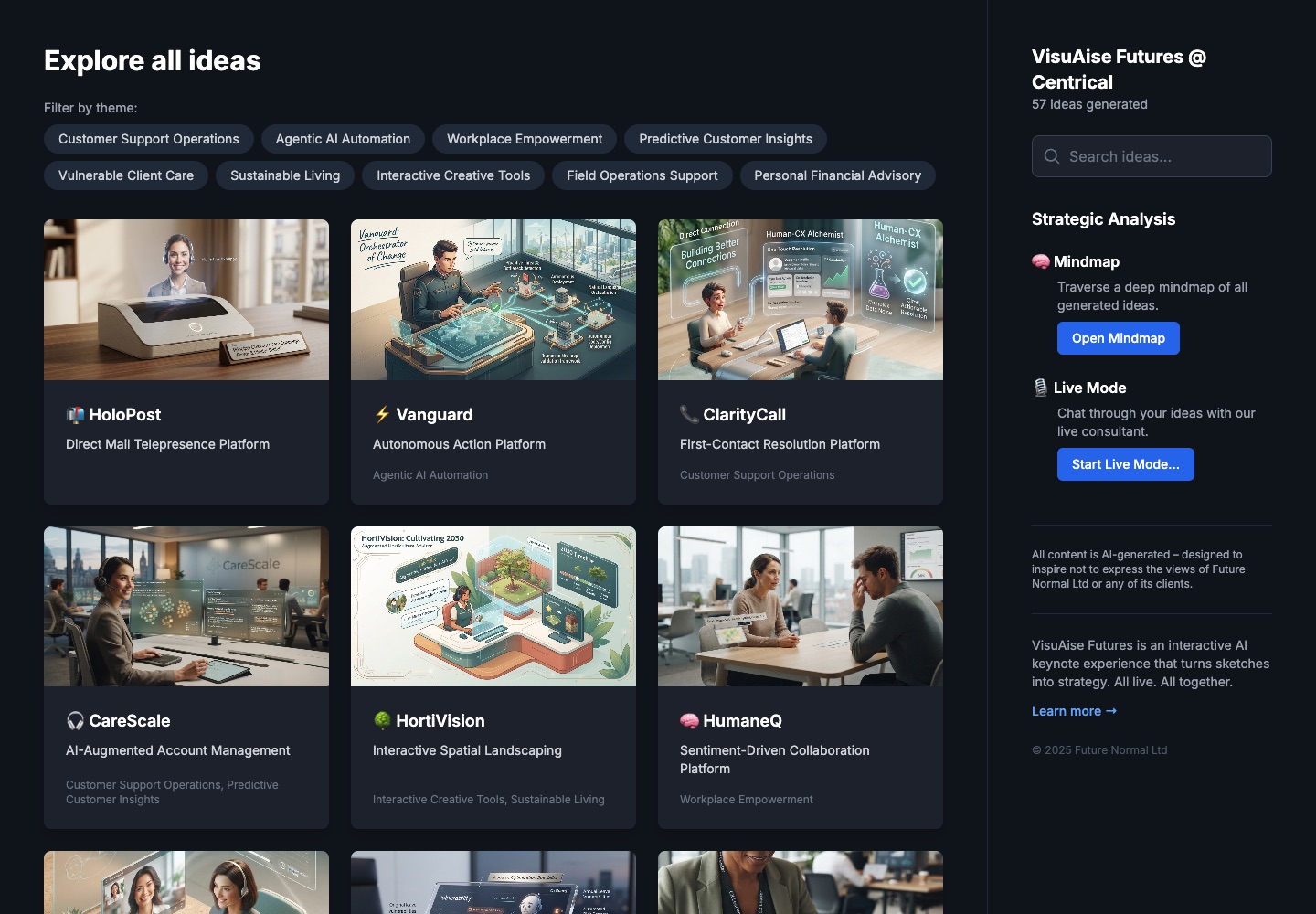
Pick the themes you care about and see every sketch from the room that matches, each linked to its full concept in the portal.
The full Data & Insight report, then every analysed idea: the participant’s own words, the job title, the themes, what comes off the plate and the AI-expanded concept. Drop it into ChatGPT, Claude or Copilot and ask your own questions.
The Work & Careers chapter of Future Words, the new book by Henry Coutinho-Mason and Rohit Bhargava: from joie de faire and rolehollowing to the entry cliff and chronobias, before the book is out on 10 November.
⬇ Download the bonus chapter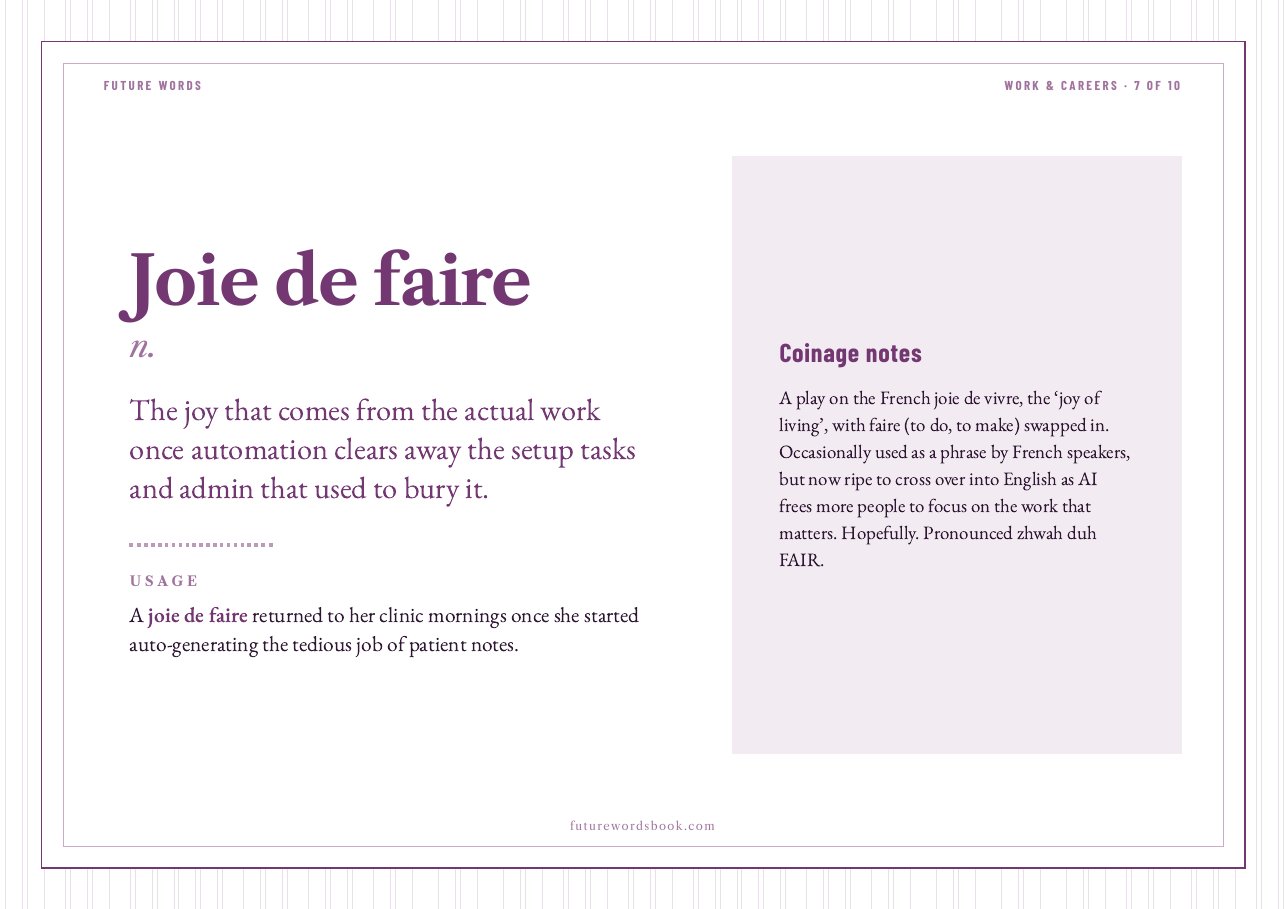
An optimistic take on a topic (I,e t he future of work) that is often viewed through a negative/worrying lens.
Makes you think about the big questions about customer service and how it might change in the next few years
Exciting, relevant and engaging. The added humour plus the fun activity allowed me to keep concentration
Understand what will not change and how to adapt to AI and share with peers about what is next
Gave me time to think about and imagine how we can re imagine my team and responsibility
Brilliantly practical and relevant to everything we talk at work and to the clients.
Ai upended for the sake of the next generation who won't know what came before.
Made me think about making better use of people and listening to all ideas
empowering our teams to use AI to solve frontline business problems
Describing an exciting working future with advanced technology
Clear relatiable makes u think of ai differently good quotes
Engages with thinking about what is next in the ai journey
He has explained the future and now of AI extremely well
Reimagining what AI can do for you and what it is not
Clarity, inspiring and thought provoking. Thank you
Optimistic about AI, not doomsday for doomsday sake
A common sense and useful talk without any ‘slop’!
Interesting, interactive and thought provoking
Great way to learn by doing, lands key points
Loved it. Eye opening and interactive
It was a great session very useful
Great insight into the uses of AI
Interactive and thought provoking
Curious, funny, thought provoking
Interesting , simple , futuristic
Made me think differently!
None typical presentation
Great to think outside in
AI is to be embraced
Thought provoking
Very interesting
Very insightful
Inspiring 👏👏👏👏
Insightful
Engaging
Good
Based on ideas drawn live at Centrical’s The Big Game, Tottenham Hotspur Stadium, London, on 15 October 2026, in a room of 75+ CX and operations leaders. 57 entries reached the portal. 1 pre-event test, 2 duplicate uploads of the same photo and that sketch itself, which showed no frontline role, were removed, and the remaining 53 were analysed: every percentage on this page is a share of those analysed ideas, with ideas able to span multiple themes. 12 were sketch-only, with no typed description; the coding uses readable participant words and drawings. Each idea was also read for what it takes off the frontline’s plate today, and for the part AI plays. Submissions made later by viewers of the recorded session are in the portal but outside this analysis. AI expansions develop possibilities rather than establish participant intent. AI-generated product names and descriptions are the tool’s elaboration and are never quoted as participant words.