A VisuAIse Futures Signal Report · Silicon South Future Shapers 2026
“It’s 2030. What’s the business / amenity / service that you’d love to see come to BCP?”
A place to build a business and a life. The sketches connect business opportunity with the everyday conditions that make it possible: getting across town, finding somewhere affordable to live, combining work with childcare, and having places to meet.
For BCP’s business community, these are opportunities to help shape the place that supports its success. Which of these would you help start?
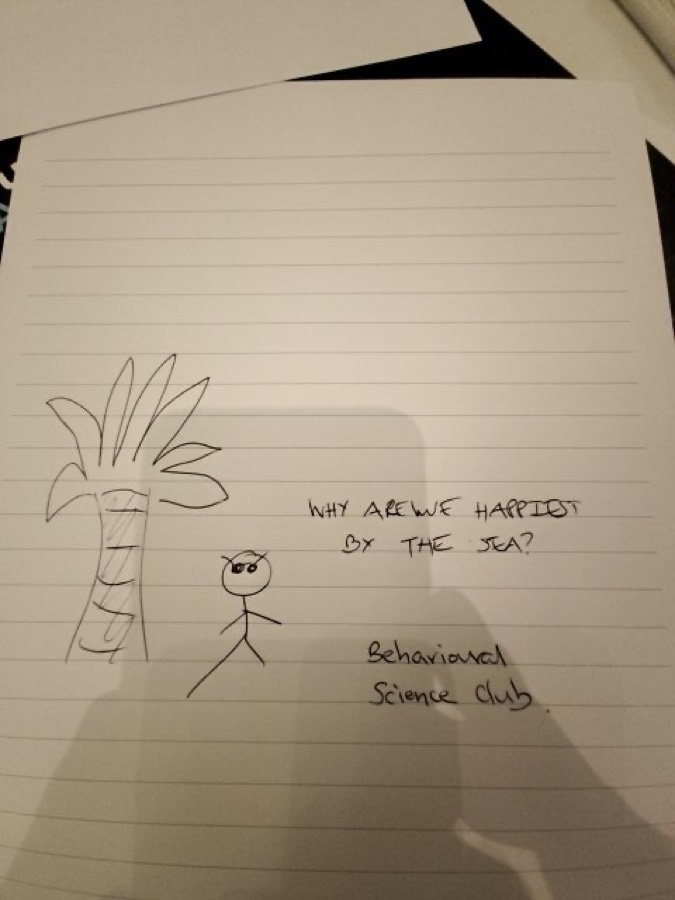
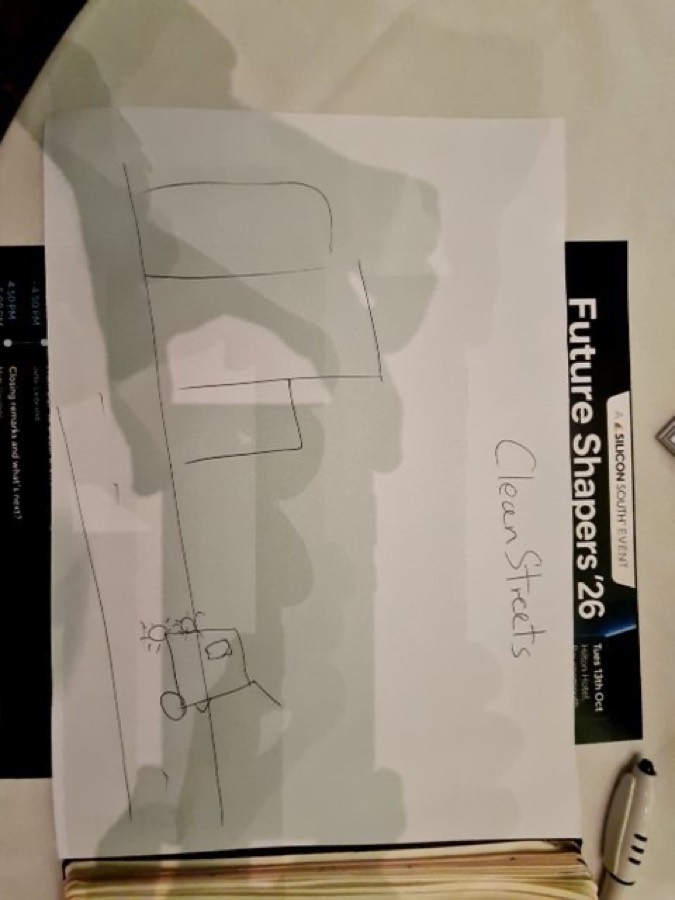
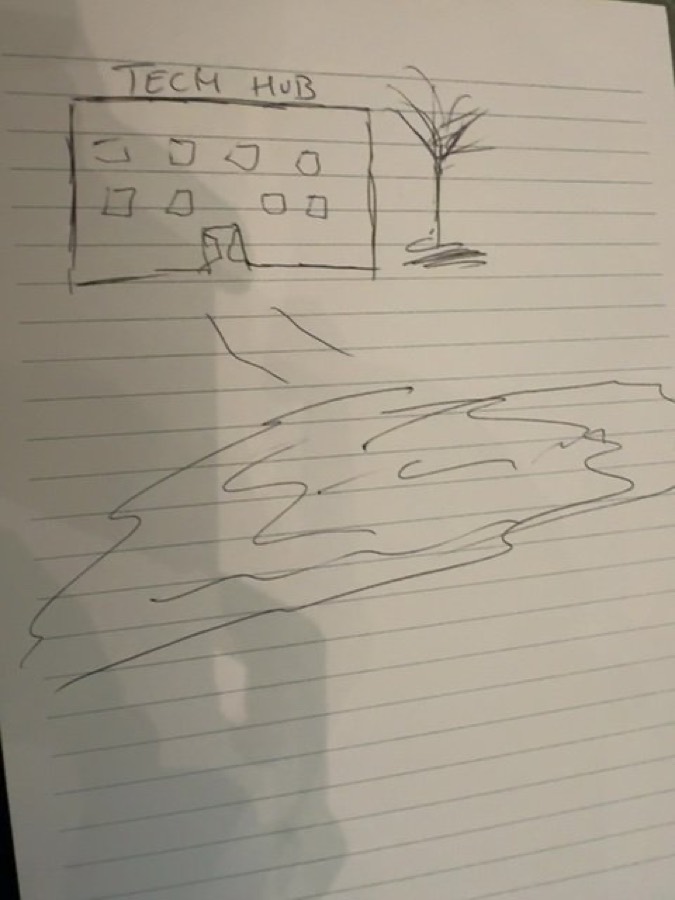
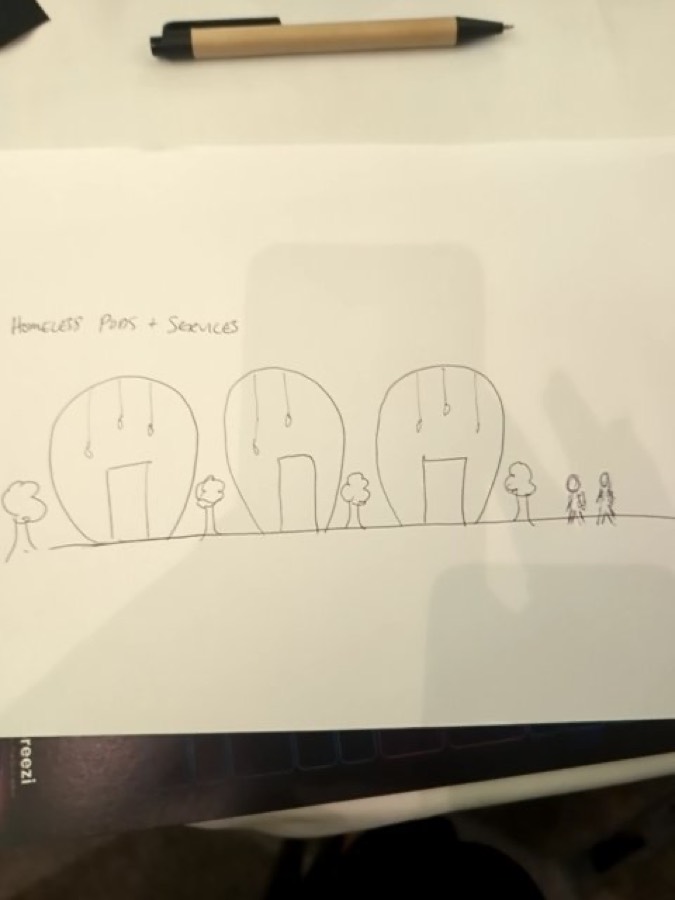
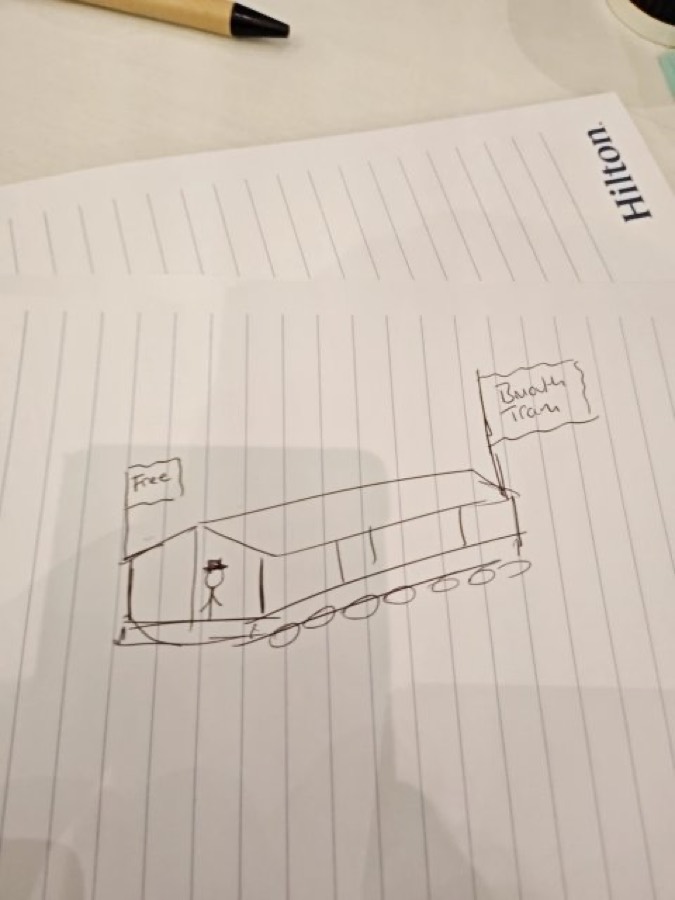
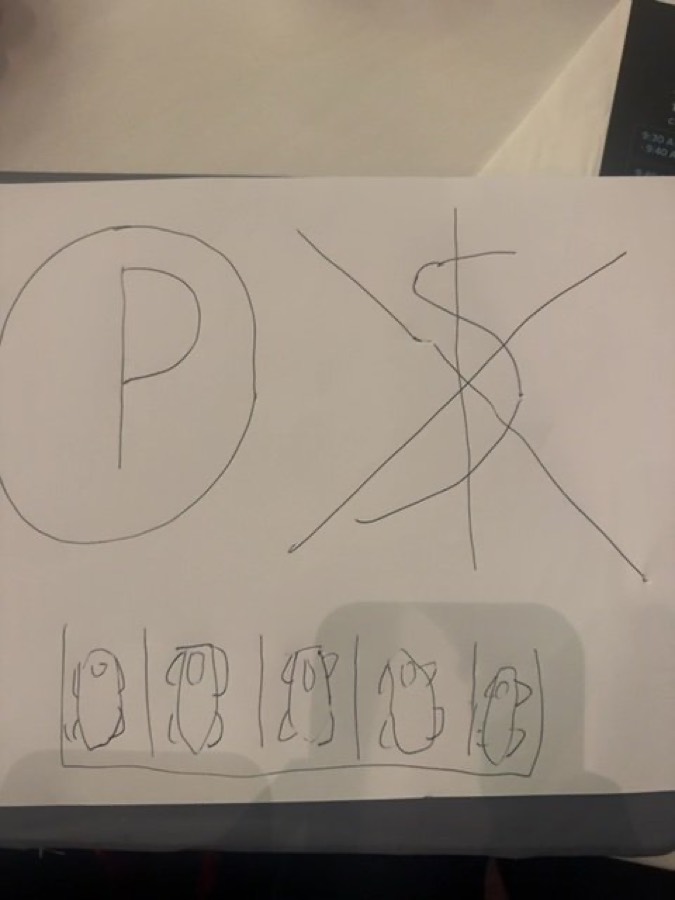
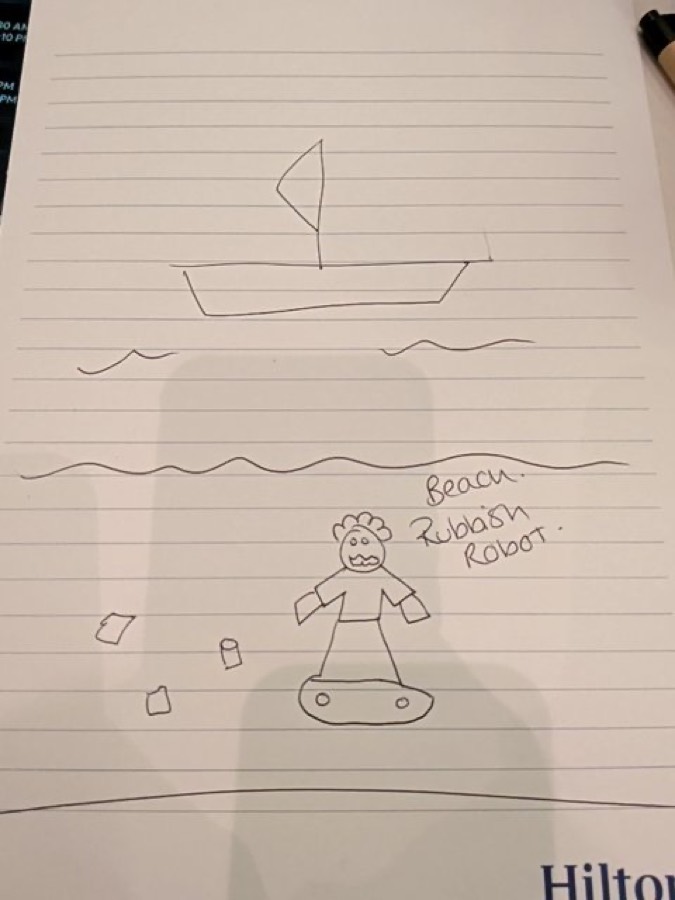
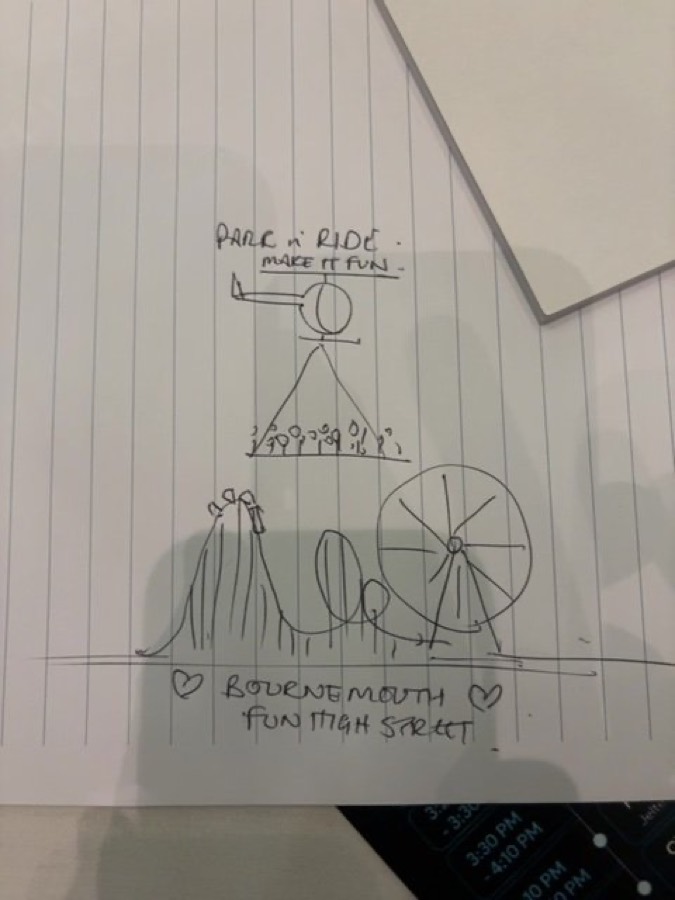
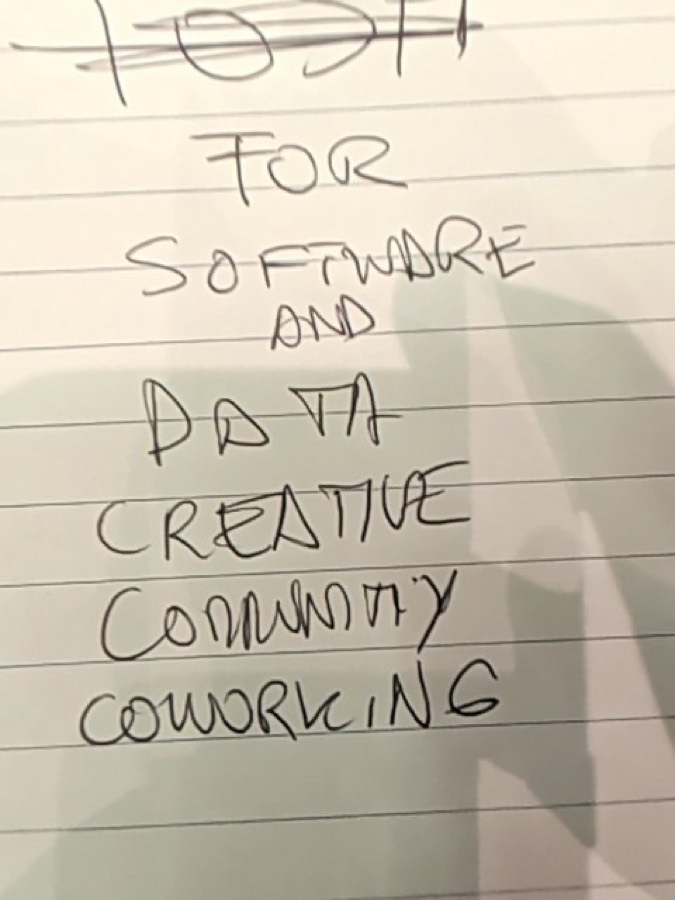
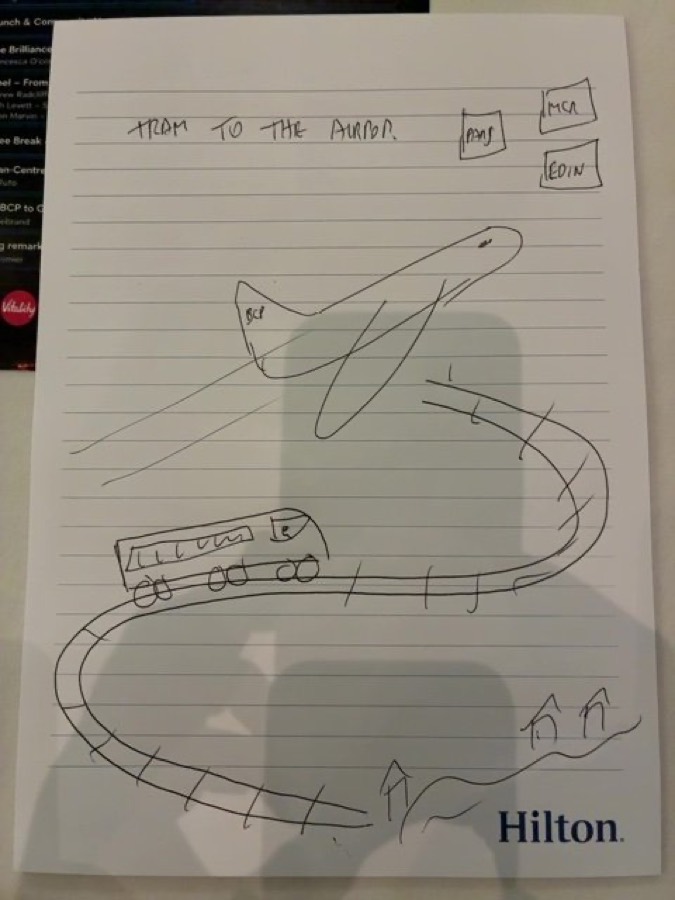
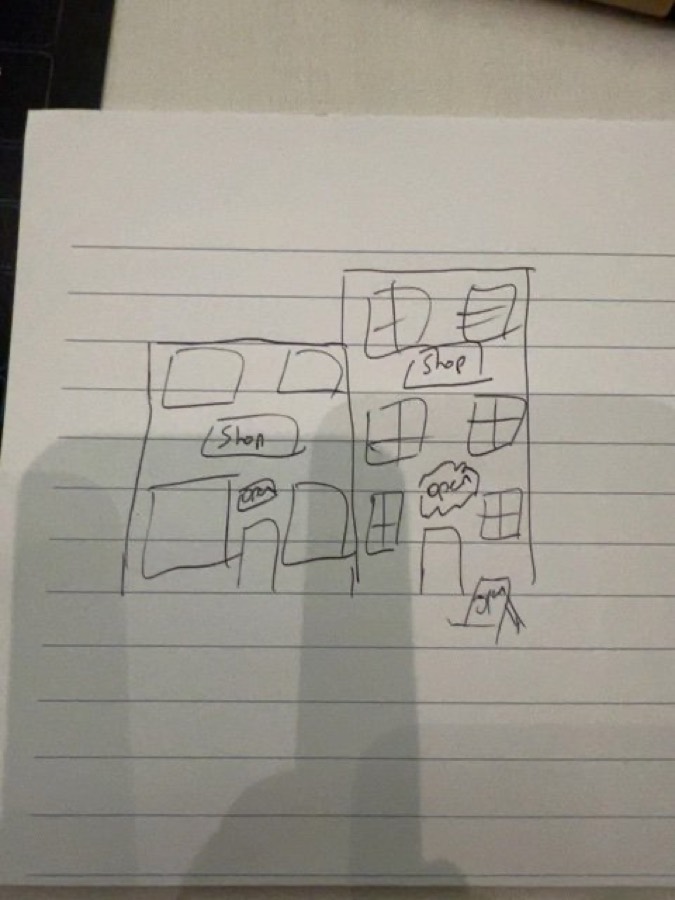
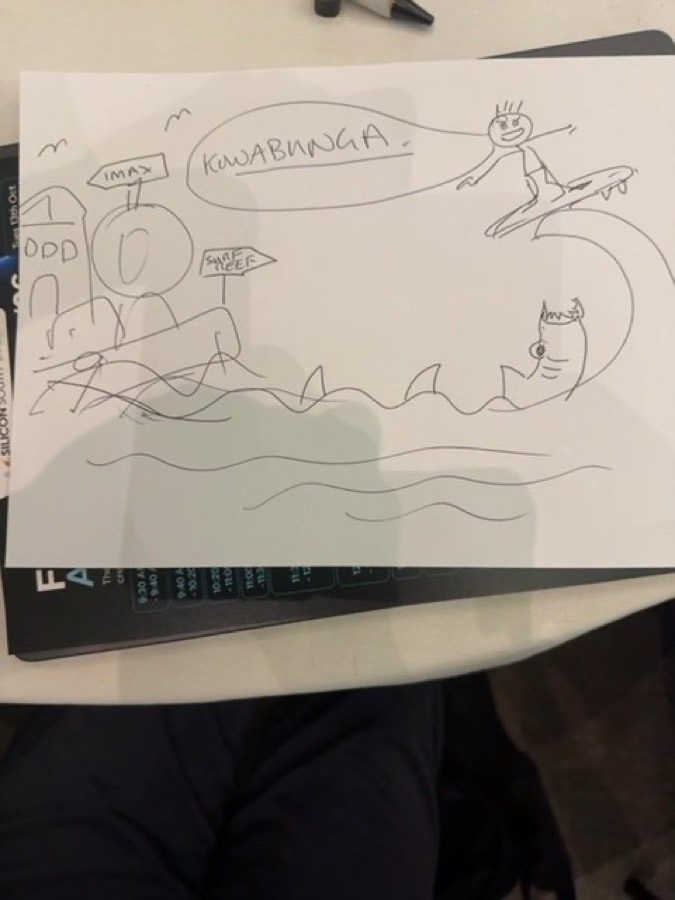
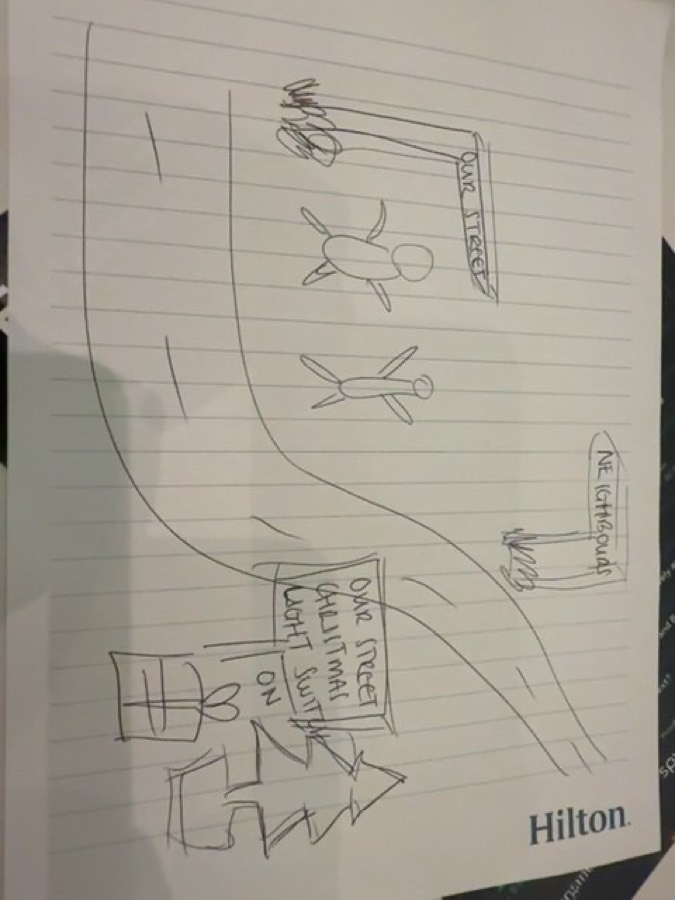
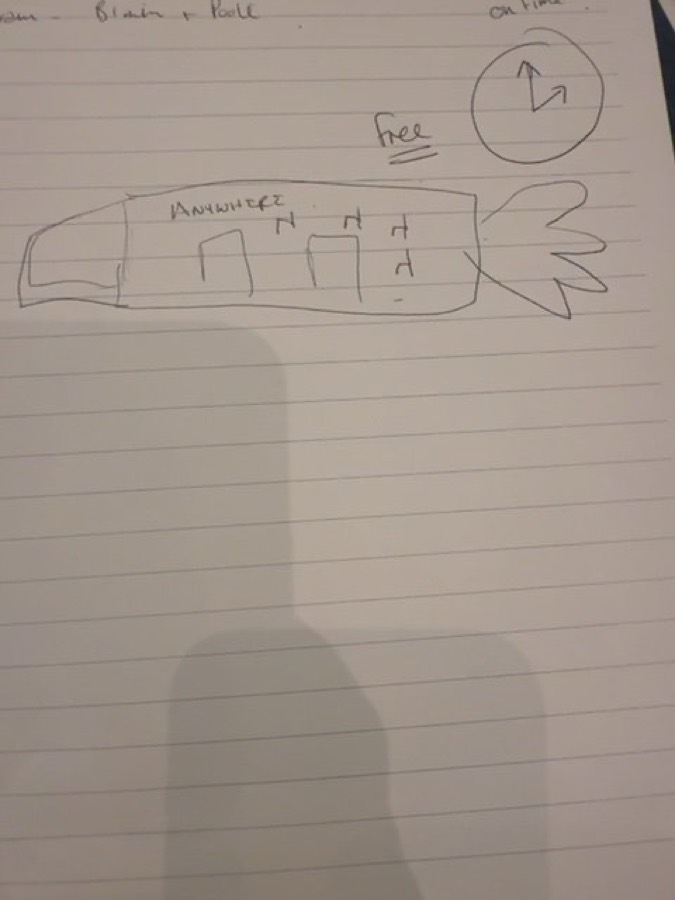
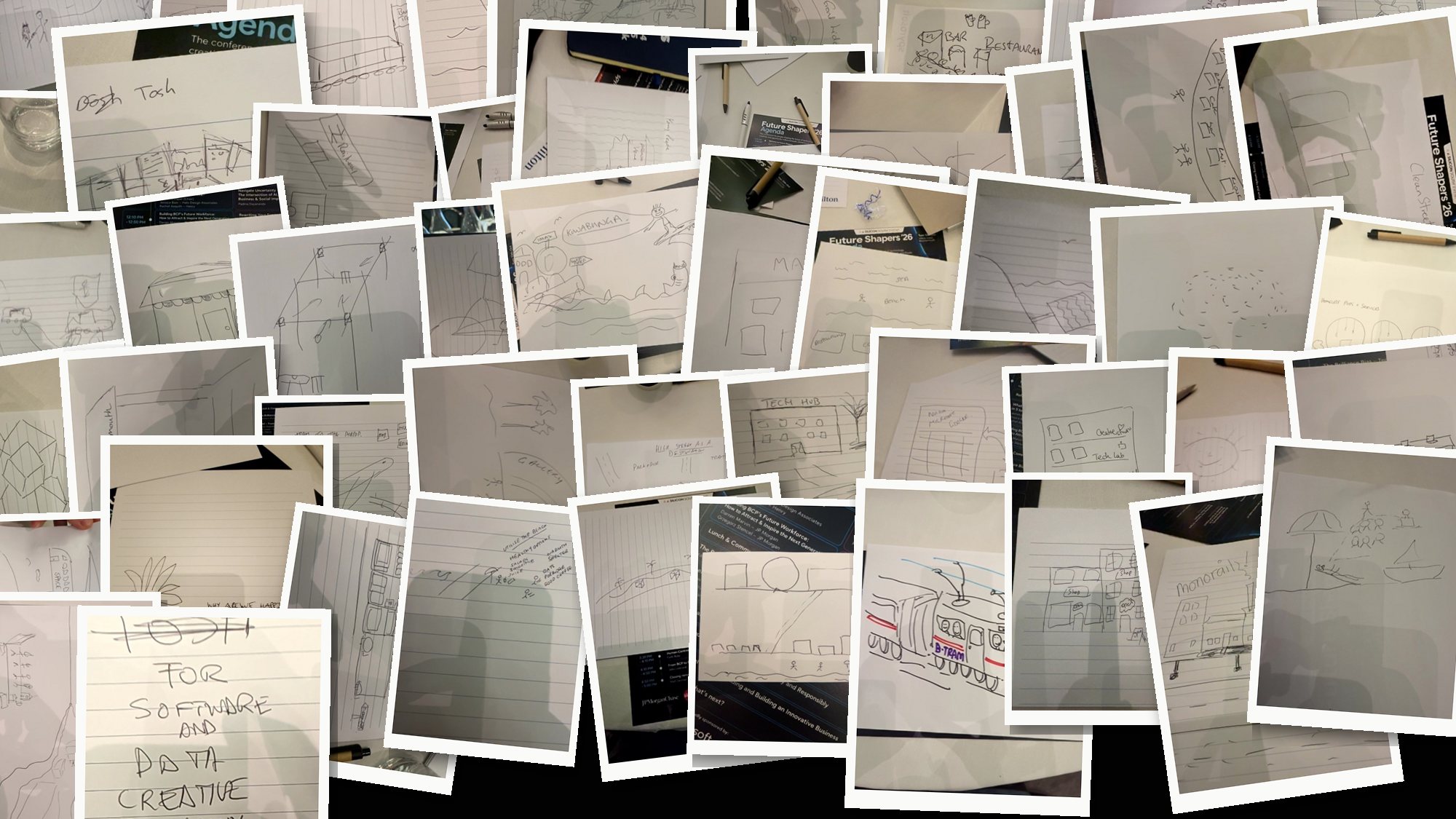
Real sketches from the room. Tap one to open it in the portal.
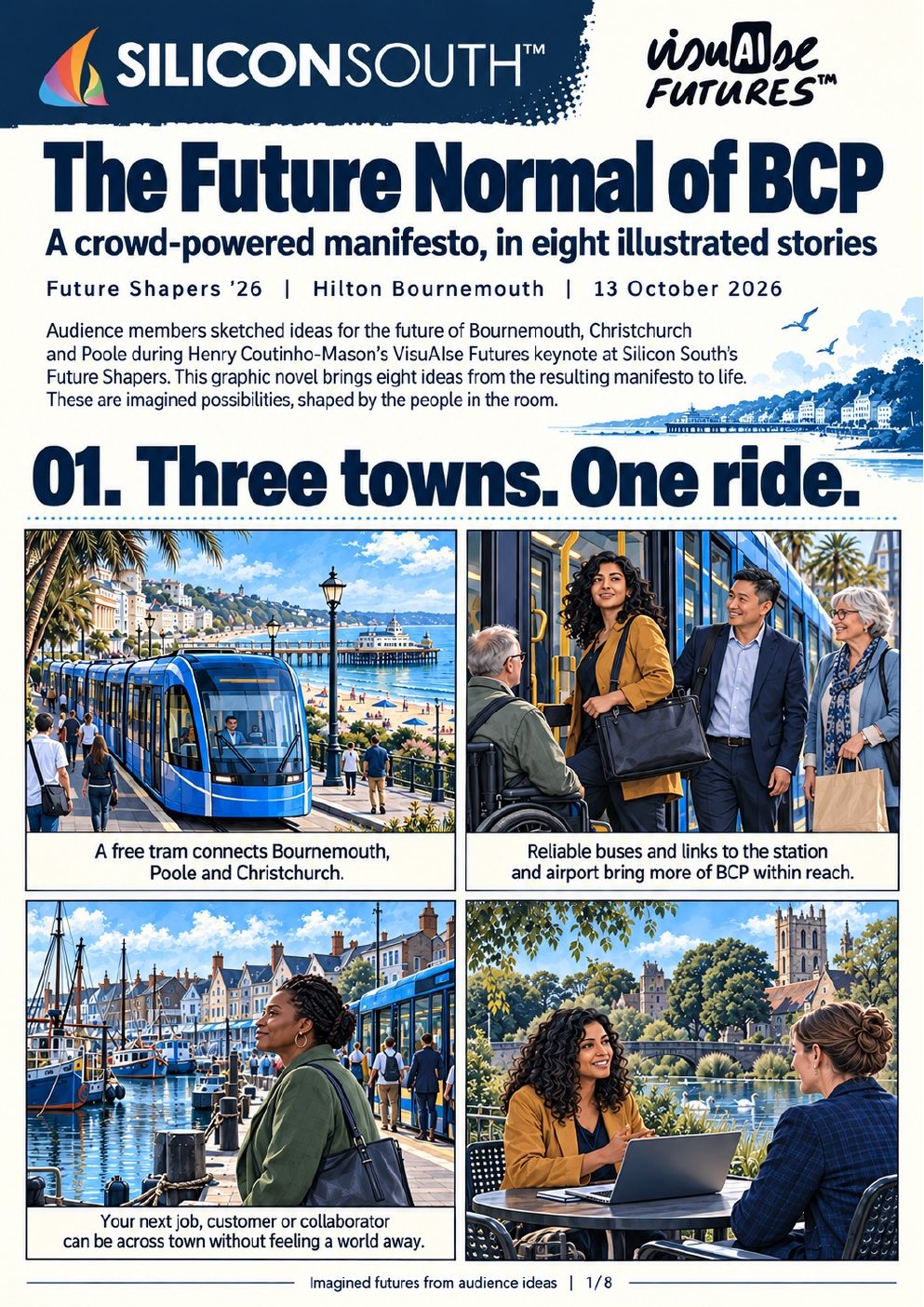
The Future Normal of BCP, the crowd-powered manifesto from this room. A thriving BCP gives you somewhere to build a business and a life. These ideas imagine the connections, shared spaces and everyday support that make that possible.
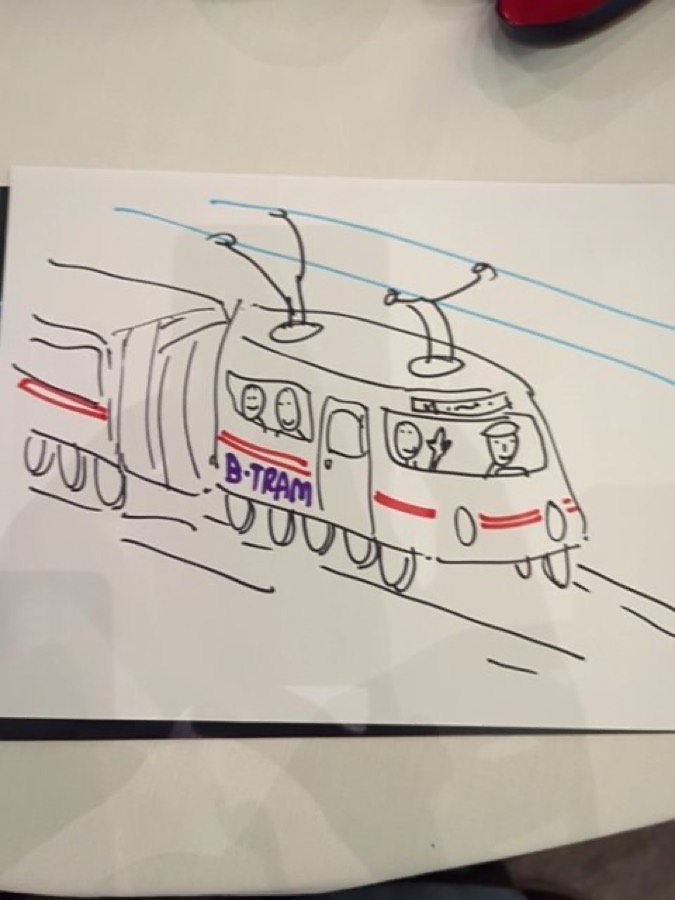
A free tram connects Bournemouth, Poole and Christchurch. Reliable buses and links to the station and airport bring more of BCP within reach. Your next job, customer or collaborator can be across town without feeling a world away.
Smoothies and salads in summer. Porridge, good coffee and shelter in winter. The seafront becomes BCP’s front room, open twelve months a year. Somewhere you can meet, unwind and belong long after the holiday crowds have gone.
Big employers help independent businesses thrive. Family-run shops give the high street its character, and the wider business community helps keep their doors open. Success reaches beyond the office: you can see it in the streets around you.
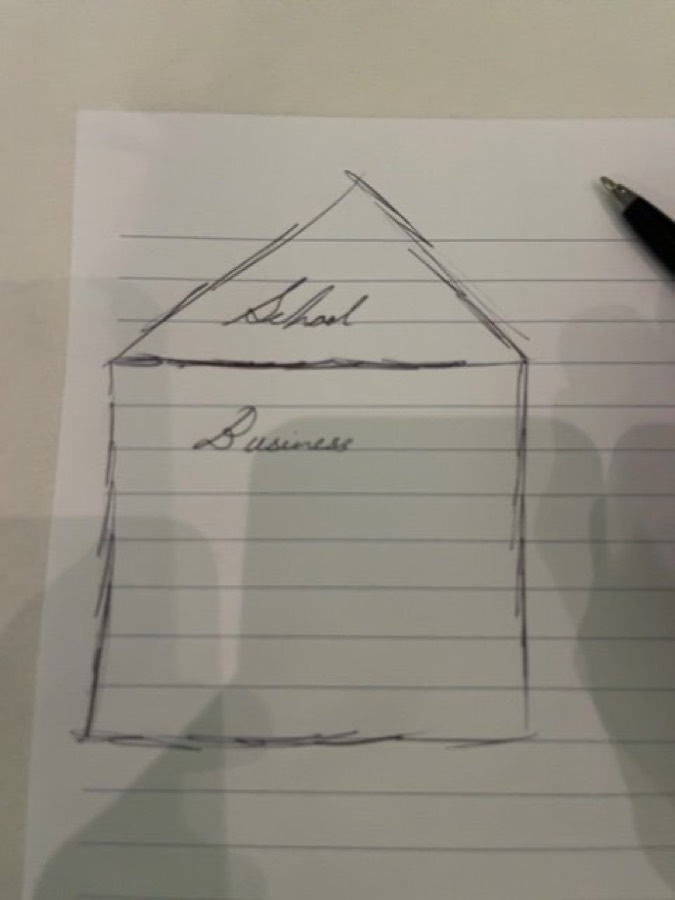
School gives you the skills and encouragement to start a business. Creative spaces and tech hubs give you somewhere to build it. An affordable home, meaningful work and places to enjoy your free time make staying a real option.
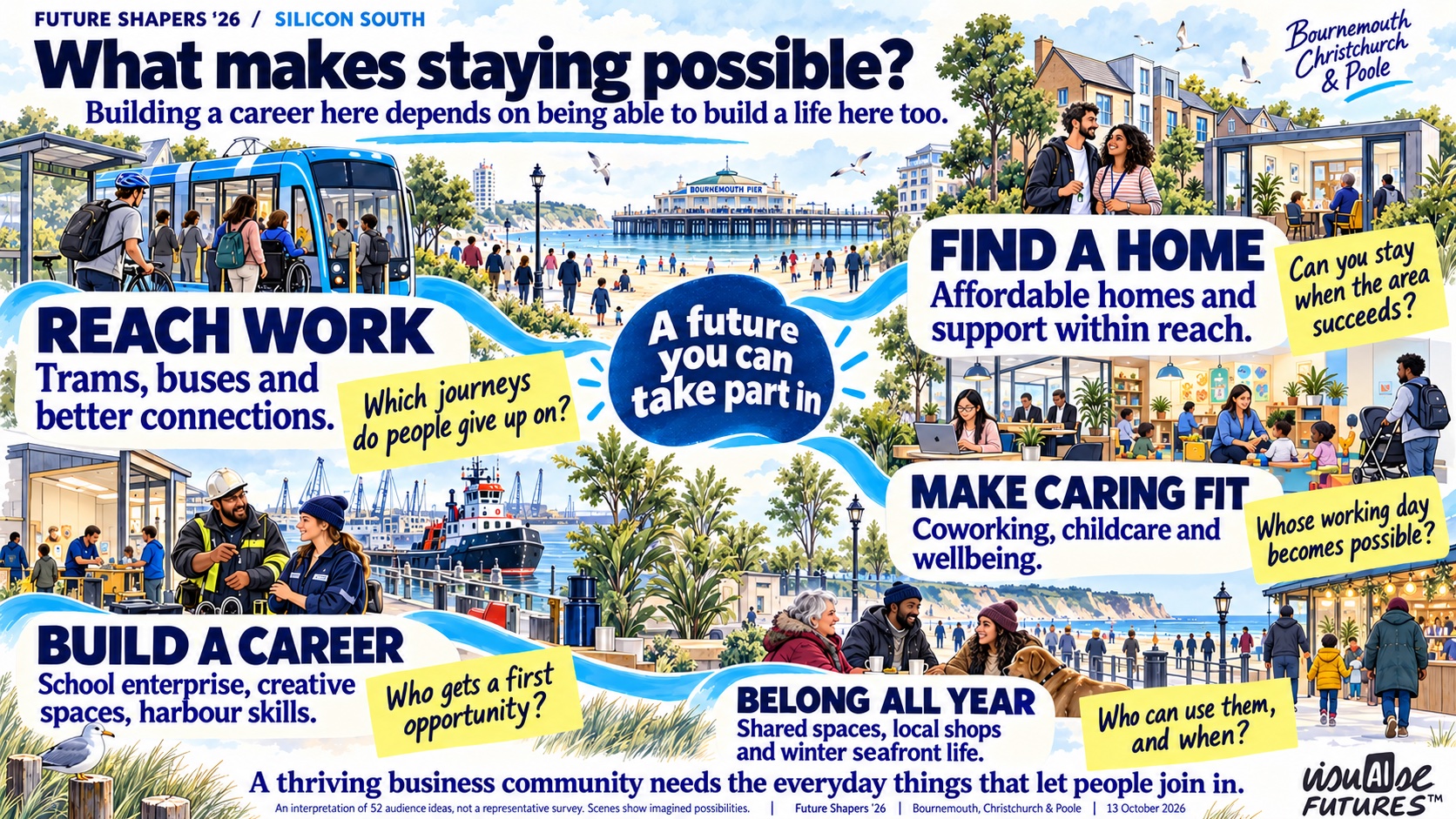
Coastal life is the largest cluster. Transport, working life and the high street connect these ambitions to everyday opportunities. These categories describe the ideas; the captions explore what they could make possible.
Percentages are shares of the 52 analysed ideas. Many ideas span more than one theme, so the total is more than 100%. Each bar runs from 0% to 50%. These are shares of ideas, not votes or shares of attendees. Two unclear sketches remain in the dataset without theme assignments.
Single sketches, each opening a bigger question. These are the manifesto’s four provocations.
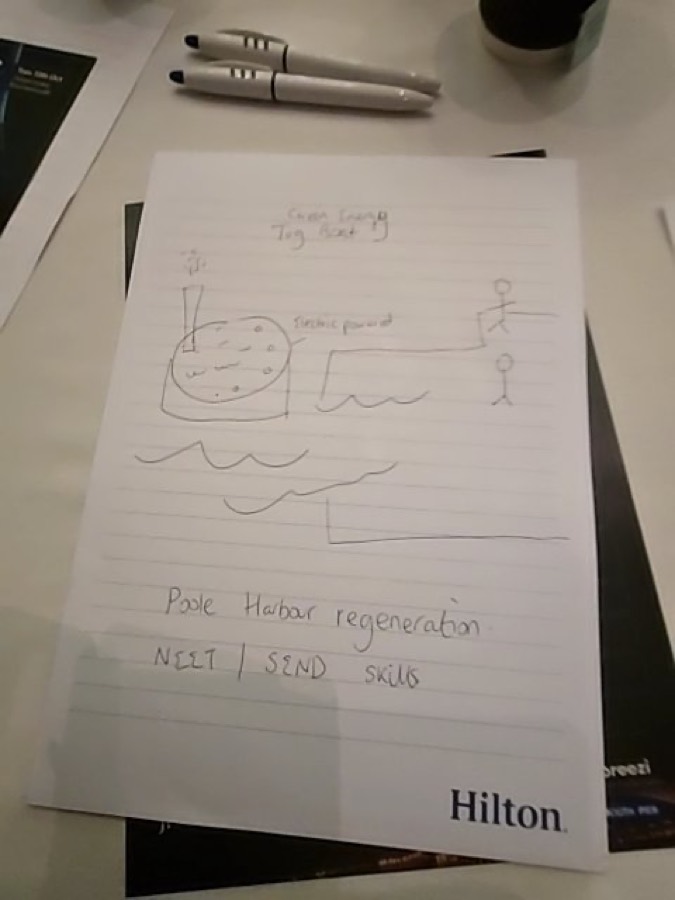
A green energy tugboat, harbour regeneration and NEET / SEND skills appear together in one drawing. It connects practical training with improving a shared place. For young people outside education, employment or training, and people with special educational needs and disabilities, what support would make that route into work accessible?
“A dog on the beach in Bournemouth watching a drone show at night.” The AI expansion develops this into an alternative to fireworks. The dog changes the design brief: whose needs could shape the entertainment from the start?
“Homeless pod village and mental health services.” The pairing is the insight: a place to live and help within reach. How could housing and support providers work together so that moving in becomes the start of lasting stability?
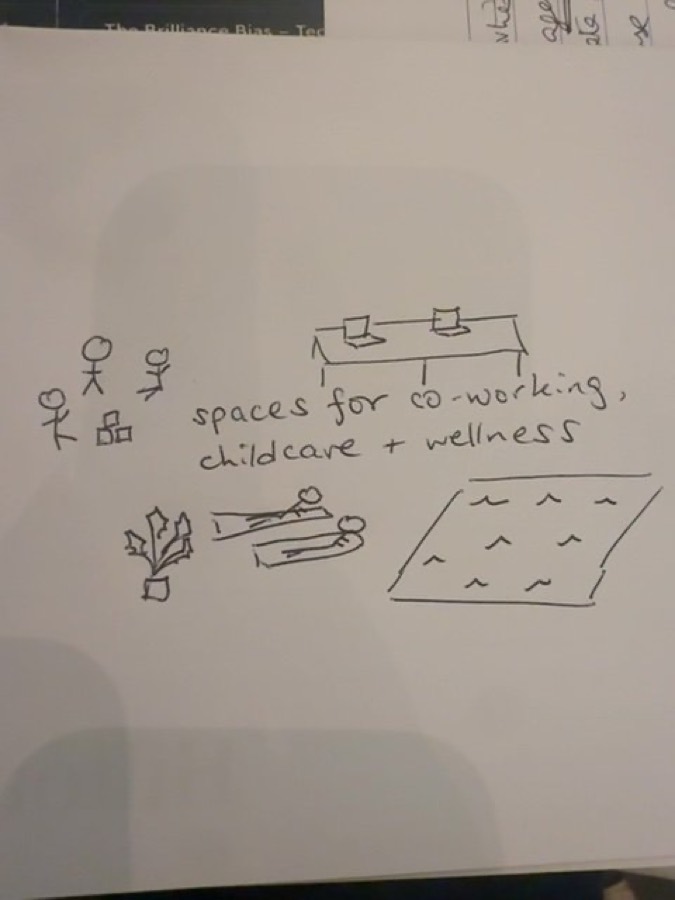
The sketch puts coworking, childcare and wellness together. Bringing childcare and workspace together raises a practical question: whose working day could become possible here? Explore the ages, hours and costs that would make the difference.
The seasonal-food sketch explicitly welcomes tourists and locals. Serving both raises a practical challenge: how could summer demand help sustain winter opening, shelter and prices residents can afford? The choices concern operating costs and continuity, as well as what to build.
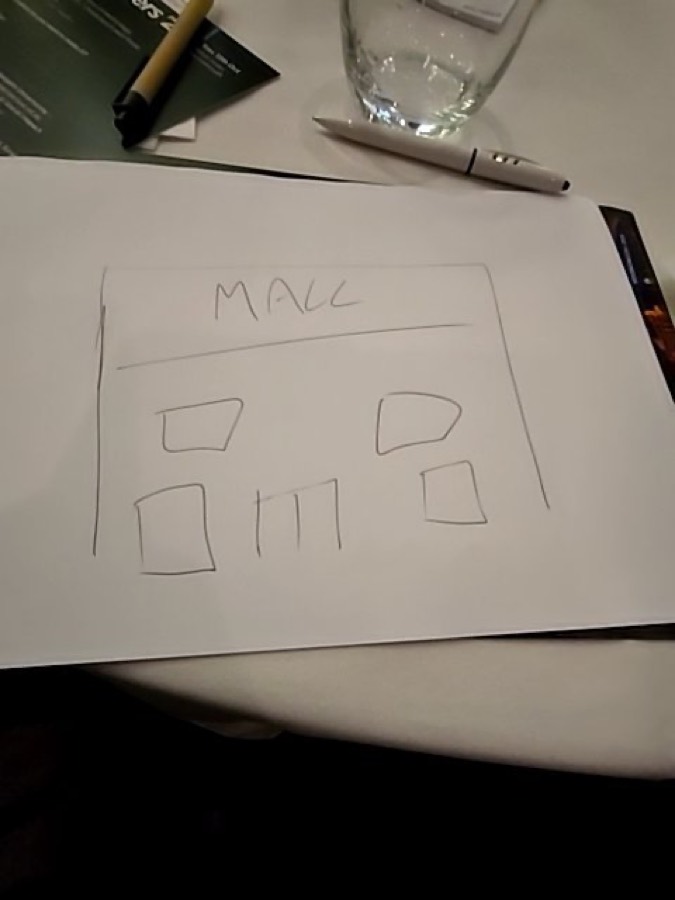
A destination mall and family-run independents both appear in the sketches. New development could create space and customers for local businesses, or put suitable premises beyond their reach. What would make independents part of a successful destination?
One sketch imagines a new Silicon Valley; another asks for an affordable home and meaningful work. Growth could create opportunities while putting pressure on living costs. How could the people already here share in that success?
The prompt asked what you’d love to see. These are the next sketches worth drawing.
Bournemouth is named more often in the typed submissions, although ideas without place names may apply across BCP. Invite a Poole or Christchurch business group to ask the same 2030 question locally. Compare the priorities before assuming they are shared.
A free tram, free parking and a free bus appear in the ideas. Free at the point of use still needs people, funding and maintenance. Add the operator and the payer to the next sketch.
The exercise asked for desired businesses, amenities and services, rather than designing for every stage of life. Next, explore a day in BCP with older residents, including those who live alone or do not drive. Which existing ideas become more useful, and what needs to change?
Each names who could go first, and one small way to test the idea.
For a seafront café or venue: test hot food and shelter during an existing winter opening, and ask local customers what would bring them back.
For a business group or event organiser: ask which journeys across BCP people abandon, and why. Use those obstacles to choose a connection worth testing.
For a landlord and a local employer: meet independent businesses around a vacant unit and identify what prevents them using it. Choose a barrier you could help remove together.
For a founder: offer your time to a school’s enterprise activity. Help pupils explore customers and business ideas, alongside how AI could help them develop and test those ideas.
For a workspace operator: talk with local parents and childcare providers about ages, hours and costs. Find the combination that would let more people use the space.
The Future Normal of BCP in eight illustrated stories: the four beliefs and four “what if…” questions, drawn from the room’s own ideas. Flip through, or download the PDF to share with your team.
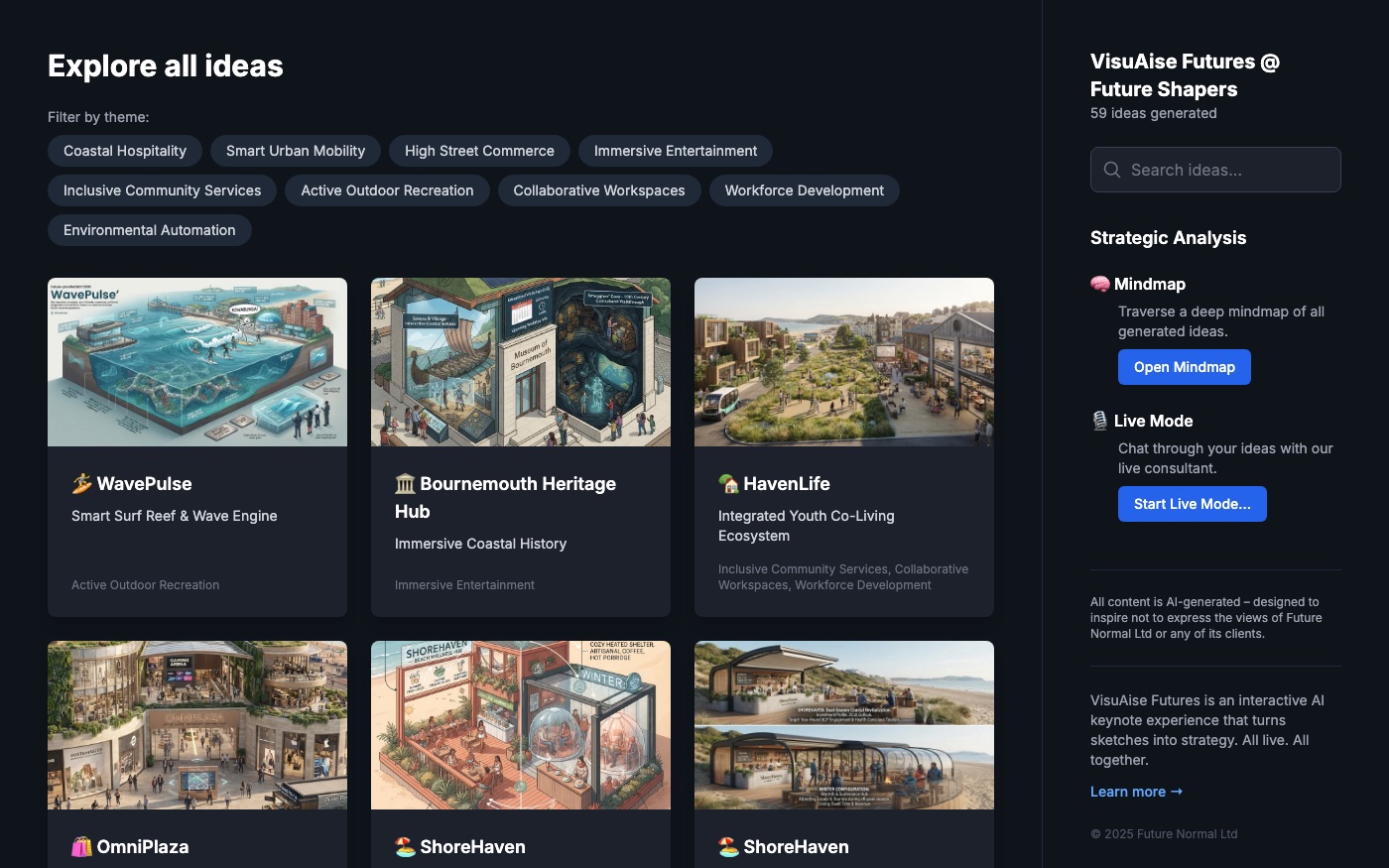
Pick the themes you care about and see every sketch from the room that matches, each linked to its full concept in the portal.
The participant’s own words, the themes and the AI-expanded concept for every analysed idea. Drop it into ChatGPT, Claude or Copilot and ask your own questions.
The Technology chapter of Future Words, the new book by Henry Coutinho-Mason and Rohit Bhargava: from veritax and algonesia to docilescence and the angorithm, 4 weeks before the book is out.
⬇ Download the extract (PDF)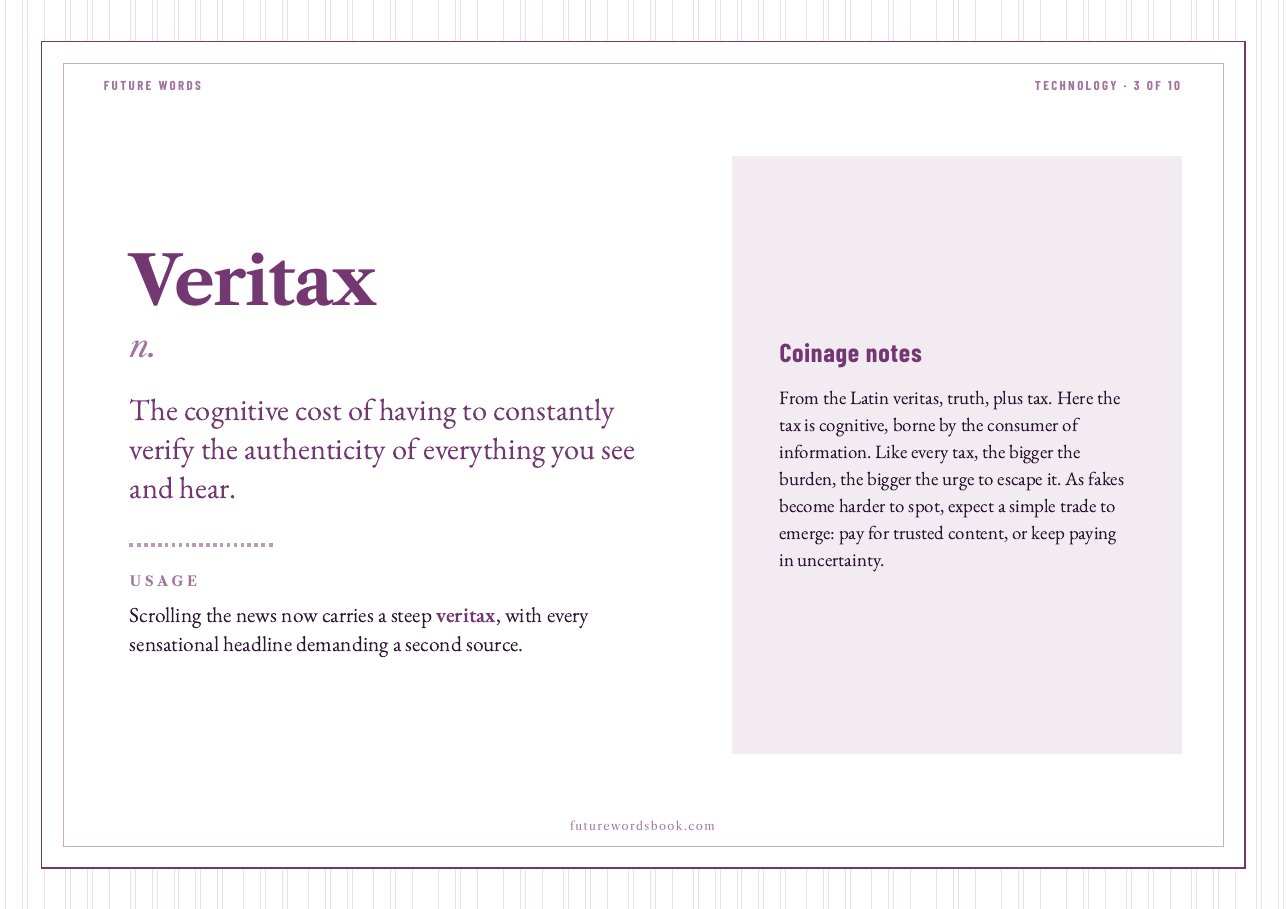
Henry’s full presentation, The Future Normal: From Medieval to Multiplayer, yours to download and revisit.
Enlightening, remembering the art of the possible all begins with an idea!
Forward thinking, engaging, interactive
Engaging, entertaining and insightful.
Fun energetic, inspiring and practical
Generate ideas fast, take them further
Engaging talk on the future of AI
Made me think differently
Solid and well presented
Based on ideas drawn live at Silicon South’s Future Shapers, Hilton Bournemouth, on 13 October 2026. Expected attendance was 75 founders, creatives, technologists, educators, students and business leaders. 59 entries reached the portal. 4 pre-event tests and 3 duplicate photos were removed, and the remaining 52 were analysed: every percentage on this page is a share of those analysed ideas, with ideas able to span multiple themes. 11 were sketch-only, with no typed description; the theme coding uses readable participant words and drawings. Two sketches without a clear enough interpretation remain unclassified and are included in the denominator. AI expansions develop possibilities rather than establish participant intent. AI-generated product names and descriptions are the tool’s elaboration and are never quoted as participant words.